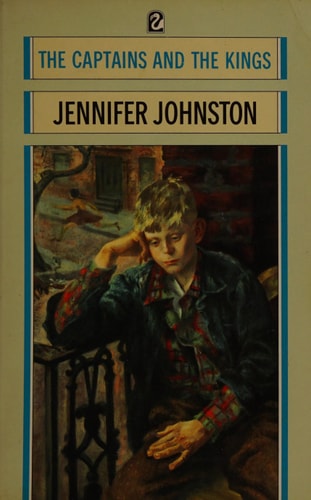
Captains and the Kings
0
0
As an Amazon Associate and affiliate partner, Menrva Books earns from qualifying purchases. Learn more
Author Description
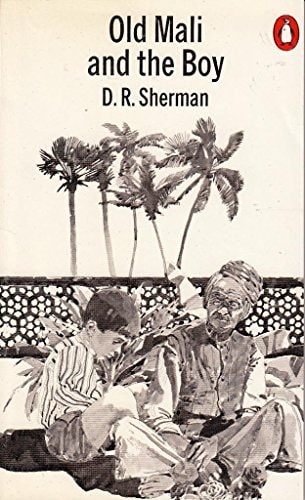
Winner of the Author’s Club First Novel Alone with melancholic memories of his past, a widower finds new life after striking up a friendship with a village boyIn County Wicklow, south of Dublin, Mr. Prendergast lives alone in the Big House of his village. A remnant of the long-gone days of the Anglo-Irish Ascendancy, Prendergast’s mansion has been witness to many of the most important years of his life, including his childhood, marked by his mother’s open preference for his older brother, Alexander. Following Alexander’s death in the First World War, Prendergast traveled the world, returning home decades later to a greatly changed place. Now in the 1970s, his wife and daughter are both gone, leaving the house an empty monument to his isolation and melancholy. But when the young, redheaded Diarmid arrives on Prendergast’s doorstep, the boy’s thrill at the house’s history sparks an unlikely friendship—one that revives in Prendergast a sense of vitality and sets in motion a final, fateful confrontation with the outside world he’d shunned for so many years.
Menrva's Summary
THE PULSE
A reclusive widower living in the remnants of the Anglo-Irish Ascendancy finds his stagnant existence disrupted by the arrival of an inquisitive village boy. Mr. Prendergast, burdened by the weight of his family history and the loss of his wife and daughter, attempts to maintain his isolation within his decaying mansion in County Wicklow. The arrival of Diarmid, a young boy fascinated by the house's past, forces Prendergast to confront the ghosts of his childhood and the societal shifts that have rendered his lifestyle obsolete. The narrative moves between the quiet, melancholic present of the 1970s and the formative memories of Prendergast’s youth, creating a layered examination of memory and social change.
INSIDE THE PAGES
- Exploration of the decline of the Anglo-Irish Ascendancy
- Dual-timeline narrative structure shifting between past and present
- Focus on the psychological impact of familial favoritism
- Atmospheric setting in County Wicklow
- Examination of intergenerational friendship
- Themes of isolation and the persistence of memory
- Character-driven narrative pacing
- Subtle commentary on the changing social landscape of Ireland
THE COLLECTIVE ECHO
This novel is widely regarded for its delicate handling of themes related to social decline and individual isolation. Critics often highlight the author's ability to evoke a sense of place and time through sparse, precise prose. The relationship between the aging protagonist and the young boy serves as a focal point for discussions regarding the bridge between different eras of Irish history. The work is frequently cited as a poignant example of the author's skill in capturing the quiet tragedies of domestic life. The narrative's restraint ensures that the emotional weight of the story remains grounded in the characters' internal experiences.
Page Count:
144
Publication Date:
1985-03-14
Publisher:
HarperCollins Publishers
ISBN-10:
0006541046
ISBN-13:
9780006541042
Literary Fiction
Historical Fiction
Drama
Coming of Age
Irish literature
Literature & Fiction