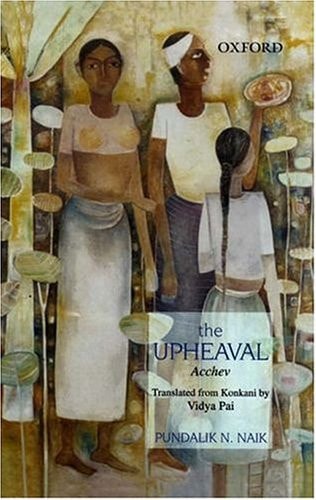
The Upheaval
0
0
As an Amazon Associate and affiliate partner, Menrva Books earns from qualifying purchases. Learn more
Author Description
This is the first novel in Konkani, a persecuted and near-fugitive language in India, to be translated into English. It tells of a traditional, agrarian village in rural Goa that makes its first contact with a modern, mechanized way of living.
Menrva's Summary
THE PULSE
The arrival of a mechanized mining operation shatters the equilibrium of a traditional Goan village, forcing its inhabitants to confront the irreversible erosion of their agrarian way of life. As the village faces the encroachment of industrial modernity, the protagonist must navigate the shifting loyalties and economic pressures that divide the community. The narrative examines the tension between ancestral land stewardship and the promise of rapid, albeit destructive, financial gain. Through a localized lens, the story captures the physical transformation of the landscape and the logical collapse of long-standing social hierarchies. The prose maintains a grounded, observational framework that emphasizes the collective experience of the villagers over individual heroics.
INSIDE THE PAGES
- Exploration of the transition from agrarian subsistence to industrial labor
- Detailed depiction of rural Goan village life and customs
- Examination of the environmental impact of mining on local ecosystems
- Analysis of the socio-economic divide created by modernization
- Use of cultural allegory to represent the struggle of the Konkani language
- Focus on the erosion of traditional community bonds
- Portrayal of the conflict between generational values
- Realistic dialogue reflecting the linguistic nuances of the region
THE COLLECTIVE ECHO
Readers and critics frequently highlight the significance of this work as a pioneering translation of Konkani literature into English. Discussion often centers on the stark, unvarnished portrayal of industrialization and its devastating effects on rural communities. The pacing is noted for its deliberate, steady rhythm that mirrors the slow but inevitable encroachment of the mining industry. Critics appreciate the author's ability to balance the specific cultural context of Goa with universal themes regarding progress and displacement. The work is widely regarded as a vital contribution to the study of regional Indian literature and the preservation of marginalized linguistic voices.
Page Count:
276
Publication Date:
2002-05-30
Publisher:
Oxford University Press
ISBN-10:
0195660390
ISBN-13:
9780195660395
Literary Fiction
India
Indian
Social Commentary
Historical
Community Tags
Similar Books