
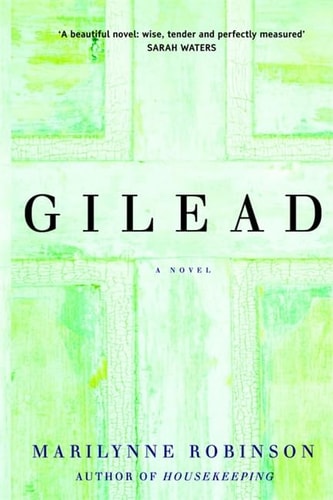
Gilead
0
0
As an Amazon Associate and affiliate partner, Menrva Books earns from qualifying purchases. Learn more
Author Description
A NOVEL THAT READERS and critics have been eagerly anticipating for over a decade, Gilead is an astonishingly imagined story of remarkable lives. John Ames is a preacher, the son of a preacher and the grandson (both maternal and paternal) of preachers. It’s 1956 in Gilead, Iowa, towards the end of the Reverend Ames’s life, and he is absorbed in recording his family’s story, a legacy for the young son he will never see grow up. Haunted by his grandfather’s presence, John tells of the rift between his grandfather and his father: the elder, an angry visionary who fought for the abolitionist cause, and his son, an ardent pacifist. He is troubled, too, by his prodigal namesake, Jack (John Ames) Boughton, his best friend’s lost son who returns to Gilead searching for forgiveness and redemption. Told in John Ames’s joyous, rambling voice that finds beauty, humour and truth in the smallest of life’s details, Gilead is a song of celebration and acceptance of the best and the worst the world has to offer. At its heart is a tale of the sacred bonds between fathers and sons, pitch-perfect in style and story, set to dazzle critics and readers alike.
Menrva's Summary
THE PULSE
As he faces the end of his life in 1956 Iowa, an aging preacher named John Ames writes a letter to his young son to preserve the history of their family and his own spiritual reflections. Ames navigates the weight of his lineage, specifically the ideological divide between his abolitionist grandfather and his pacifist father, while grappling with the unexpected return of his best friend's troubled son, Jack Boughton. The narrative unfolds as a series of intimate, meditative journal entries that capture the quiet rhythms of small-town life. Through this epistolary framework, Ames attempts to reconcile his personal history with the complexities of forgiveness and the inevitable passage of time.
INSIDE THE PAGES
- Epistolary structure presented as a long-form letter from father to son
- First-person perspective characterized by a contemplative, lyrical voice
- Exploration of theological and philosophical questions regarding grace and redemption
- Detailed depiction of mid-twentieth-century rural Iowa life
- Examination of generational trauma and the legacy of the American Civil War
- Focus on the tension between pacifism and radical activism
- Introspective character study of a man confronting his own mortality
- Use of sensory observations to ground abstract spiritual themes in the physical world
THE COLLECTIVE ECHO
This novel is widely recognized for its prose style and its profound exploration of faith and family dynamics. Critics frequently highlight the author's ability to render the internal life of a clergyman with both intellectual rigor and emotional clarity. Readers often note the quiet, deliberate pacing of the narrative, which mirrors the reflective nature of the protagonist's final months. The work is frequently cited as a significant contribution to contemporary American literature due to its focus on the intersection of personal history and national identity. The consensus suggests that the book succeeds by finding profound meaning within the mundane details of a singular, lived experience.
Page Count:
247
Publication Date:
2004-11-08
Publisher:
HarperCollins
ISBN-10:
0002005883
ISBN-13:
9780002005883
Fiction
Literary Fiction
Fiction
Epistolary
Literary
Domestic
Religious
Historical
Community Tags
Other Editions(7)




Similar Books








Reader Comments
Share Your Thoughts
No comments yet. Be the first to share your thoughts!