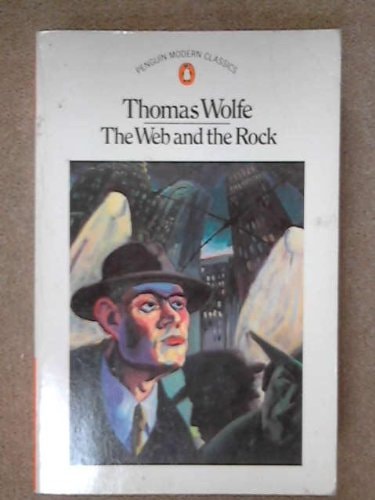
The Web and the Rock
0
0
As an Amazon Associate and affiliate partner, Menrva Books earns from qualifying purchases. Learn more
Author Description
This book tells the growth of the protagonist George Webber: came to the metropolis New York from a small town in the southern United States but the novel written with all his energies was left out by the publishers; fell in love with the married man Esther but was incompatible with the upper class; came to Europe but the fascist came to power. After a series of struggle and confusion, the author had the impulse of returning to the hometown but he deeply understood that he could no longer find the spiritual home. In this work, the author gradually changes the focus from people's inner world to the outside world and begins to focus on depicting the whole American society, but it is still filled with sadness and confusion.
Menrva's Summary
THE PULSE
George Webber attempts to reconcile his provincial roots with the harsh realities of metropolitan life and the complexities of an ill-fated romance. Driven by ambition and a desire for artistic recognition, Webber moves from the American South to New York City, only to face professional rejection and social alienation. His internal conflict intensifies through a turbulent relationship with an older, married woman, leading him to seek refuge in Europe. The narrative follows his struggle against the backdrop of rising political instability, ultimately forcing him to confront the impossibility of returning to his origins. The prose utilizes a dense, introspective style that shifts from personal psychological exploration to a broader critique of the American social landscape.
INSIDE THE PAGES
- Autobiographical narrative elements reflecting the author's own experiences
- Intense focus on the psychological development of the protagonist
- Detailed descriptions of New York City as a transformative environment
- Exploration of class conflict and social incompatibility
- Examination of the impact of European political shifts on the individual
- Shift in narrative scope from internal monologue to societal observation
- Themes of alienation and the loss of a spiritual home
- Lyrical and expansive prose style characteristic of the author
THE COLLECTIVE ECHO
Discussion often centers on the transition in the author's style as he moves away from purely subjective experience toward a more objective social commentary. Readers frequently highlight the raw, unvarnished intensity of the protagonist's emotional states and his often volatile interactions with others. Critics note that the pacing reflects the chaotic nature of the protagonist's life, sometimes feeling fragmented or overly verbose. The work is recognized for its vivid portrayal of the disillusionment inherent in the American experience during the early twentieth century. Many readers find the exploration of the protagonist's inability to return home to be a poignant reflection on the nature of growth and change.
Page Count:
768
Publication Date:
1972-05-25
Publisher:
Penguin
ISBN-10:
0140034277
ISBN-13:
9780140034271
Literary Fiction
American
classic
Literary
Coming of Age