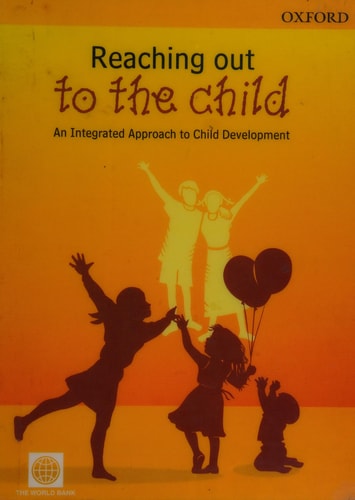
Reaching Out to the Child: An Integrated Approach to Child Development
0
0
As an Amazon Associate and affiliate partner, Menrva Books earns from qualifying purchases. Learn more
Author Description
The report argues for an integrated and life cycle approach to child development and basic education of children. It finds that while India has in the last few decades made considerable progress in ensuring child survival and basic education, there is much that remains to be done. The report illustrates using quantitative and qualitative data that such major indices of the Indian child's development as maternal mortality, birthweight, immunization, nutrition level, and basic education, as also existing policy interventions for the child, compare unfavourably with other developing countries. Conceptualized and written by eminent early childhood development experts in consultation with noted Indian professionals, this report is essential for social scientists, scholars and researchers in the field of child development and childhood studies, educationists, policy-planners, and activists.
Menrva's Summary
THE THESIS
This report investigates the efficacy of current child development and basic education interventions in India, arguing for a more integrated, life-cycle approach to improve outcomes. The World Bank, in collaboration with early childhood development experts and Indian professionals, synthesizes quantitative and qualitative data to evaluate the nation's progress. The text posits that despite advancements in survival and literacy, India lags behind other developing nations in critical health and educational metrics, necessitating a shift in policy strategy.
THE SCOPE MAP
What You Will Find
- Comparative analysis of child development indices across developing nations
- Evaluation of maternal mortality, birthweight, and immunization data
- Assessment of nutrition levels and basic education attainment in India
- Review of existing policy interventions and their limitations
THE AUTHORITY PERSPECTIVE
Experts and policy-planners utilize this report as a foundational document for understanding the systemic gaps in Indian child welfare programs. Readers frequently note the academic density of the prose and the reliance on empirical data to support its policy recommendations.
Page Count:
160
Publication Date:
2005-06-09
Publisher:
Oxford University Press
ISBN-10:
0195673328
ISBN-13:
9780195673326
Sociology
Education
Social Science
Public Policy
Child Welfare
India
Community Tags
Similar Books