The Coming of Photography in India
0
0
As an Amazon Associate and affiliate partner, Menrva Books earns from qualifying purchases. Learn more
Author Description
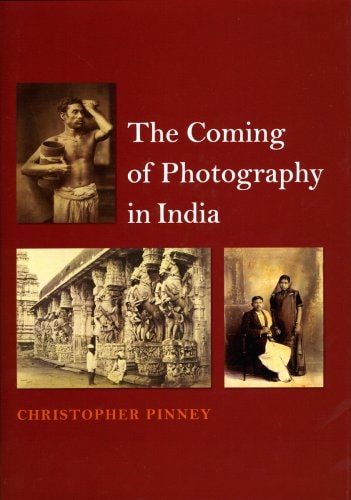
Photography was discussed and practised in India within a few months of the announcement of Daguerre s process in 1839. Photographic societies were established in Bombay, Calcutta, and Madras in the 1850s and Indian-owned portrait studios flourished. By the end of the nineteenth century India was at the centre of a representational revolution. This book asks how we should understand the arrival of this new way of picturing the world. Was photography in India simply a void, waiting to be filled by pre-existing cultural and historical practice? Or was it disruptive, throwing up new opportunities, prophesying new social formations, and focusing anxieties about the new visibility of formerly secluded spaces and events? The Coming of Photography in India transcends traditional cultural and technological narratives in order to present a subtle and compelling account of the limits, possibilities, and consequences of photography. Explaining the dynamic incarnation of photography as cure, poison, and prophecy, Christopher Pinney presents a bold analysis which will reward anyone interested in India, photography, or the history of the book. Accompanied by beautiful images a large number of which are previously unpublished this volume presents a sophisticated account of the disturbance which photography has brought to all of our lives.
Menrva's Summary
THE THESIS
This book investigates how the introduction of photography in nineteenth-century India functioned as a disruptive force that reshaped social formations and cultural representation. Christopher Pinney, a scholar of visual culture and anthropology, utilizes historical archives and early photographic records to challenge the notion that photography was merely a passive import. He argues that the medium acted as a catalyst for new anxieties and opportunities, fundamentally altering the visibility of Indian social life and private spaces.
THE SCOPE MAP
What You Will Find
- Historical analysis of the establishment of photographic societies in Bombay, Calcutta, and Madras.
- Examination of the rise and proliferation of Indian-owned portrait studios.
- Theoretical framework exploring photography as a medium of cure, poison, and prophecy.
- Extensive collection of rare and previously unpublished photographic images from the nineteenth century.
THE AUTHORITY PERSPECTIVE
Experts recognize this work as a foundational text for understanding the intersection of colonial history and visual technology in South Asia. Readers frequently note the academic density of the prose and the depth of the author's archival research.
Page Count:
160
Publication Date:
2008-10-22
Publisher:
British Library
ISBN-10:
0195698916
ISBN-13:
9780195698916
Photography
History
India
Technology
Art History
Video photography
Community Tags
Similar Books