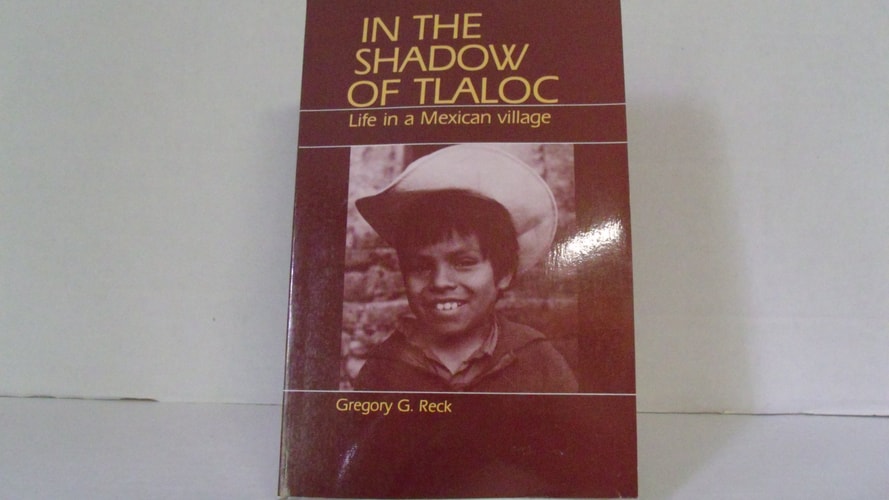
In the Shadow of Tlaloc: Life in a Mexican Village
0
0
As an Amazon Associate and affiliate partner, Menrva Books earns from qualifying purchases. Learn more
Author Description
The remote Mexican village of Jonotla lies in the shadow of the rock of Tlaloc, named for the ancient god of rain whose spirit has dwelt among its inhabitants for centuries. In the mid-1960s the twentieth century finally came to the fifteen hundred villagers of Jonotla--in the form of roads, cars, buses, electricity, and a more competitive form of life. In this moving account Reck sets out to document what effect these changes have had on the villagers. This study is part of the universal drama that is inevitably played out wherever and whenever the past and the future meet in sudden conflict.
Menrva's Summary
THE THESIS
This study investigates the socio-cultural impact of rapid modernization on the inhabitants of a remote Mexican village during the mid-twentieth century. Gregory G. Reck, an anthropologist, utilizes ethnographic fieldwork conducted in Jonotla to examine how the introduction of infrastructure and modern technology disrupts traditional life. The work argues that the arrival of the twentieth century in isolated regions creates a profound tension between historical continuity and the pressures of a competitive, globalized future.
THE SCOPE MAP
What You Will Find
- Longitudinal ethnographic observations of Jonotla village life.
- Analysis of the transition from traditional agrarian practices to modern economic integration.
- Documentation of the arrival of electricity, road networks, and vehicular transport.
Scope Limits
- The study is geographically confined to the specific village of Jonotla.
- The research focuses primarily on the mid-1960s period and does not account for subsequent decades of development.
THE AUTHORITY PERSPECTIVE
Scholars and anthropologists recognize this work as a significant contribution to the study of rural modernization and cultural change in Latin America. Readers frequently note the accessible yet rigorous nature of the ethnographic prose, which provides a clear window into the specific challenges faced by isolated communities during periods of rapid transition.
Page Count:
224
Publication Date:
1978-05-25
Publisher:
Penguin Books
ISBN-10:
0140048723
ISBN-13:
9780140048728
Mexico
Sociology
YA Dystopian
Anthropology
Cultural
Ethnography