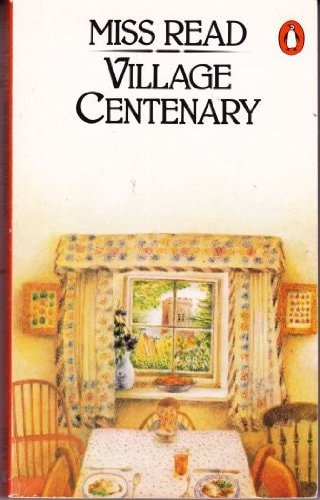
Village Centenary
0
0
As an Amazon Associate and affiliate partner, Menrva Books earns from qualifying purchases. Learn more
Author Description
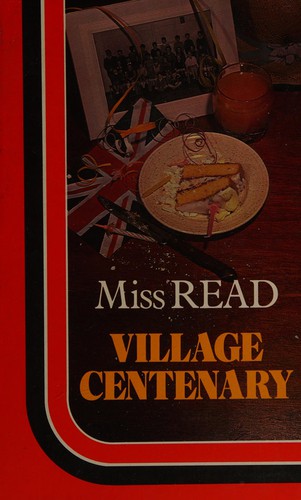
Village Centenary welcomes readers back to Miss Read’s cozy English downland village just in time for the hundredth anniversary of Fairacre Shool. Miss Clare, who was a pupil and later a teacher there, points out that such a milestone should be celebrated, and all of Fairacre is quick to offer suggestions—from a tea party to a full-scale pageant.Deciding how best to stage the grand occasion, however, is only one of Miss Read’s problems. The new teacher, Miss Briggs, fresh from college and full of idealistic theories, proves a thorn in Miss Read’s side. Miriam Quinn is afraid she might have to leave home; the vicar has decided to keep bees; the ancient skylight in the school is leaking; and Mrs. Pringle is her usual dour self.But as the seasons continue to change, the centenary year unfolds—with all its hopes and fears, memories and feuds, and friendships that make the tough times so much easier to bear.
Menrva's Summary
THE PULSE
The impending centenary of Fairacre School forces the village to reconcile its long-standing traditions with the pressures of modern change. Miss Read, the schoolmistress, must navigate the logistical challenges of organizing a grand celebration while managing the friction caused by a new, idealistic teacher, Miss Briggs. The narrative follows the daily rhythms of village life, where personal anxieties, such as Miriam Quinn’s potential displacement and the vicar’s eccentric new hobby, intersect with the school's structural and social needs. Written in a gentle, observational style, the story captures the quiet endurance of a community facing the passage of time.
INSIDE THE PAGES
- Episodic structure reflecting the changing seasons
- Focus on small-scale community dynamics and local gossip
- Character-driven conflicts involving generational differences
- Detailed descriptions of English downland village life
- Integration of historical school milestones with present-day events
- First-person perspective from the schoolmistress
- Emphasis on domestic and professional routine
- Exploration of social hierarchies within a rural setting
THE COLLECTIVE ECHO
Readers frequently highlight the comforting and predictable nature of the Fairacre setting as a primary appeal of the series. Discussion often centers on the balance between the lighthearted village antics and the subtle, underlying tensions that arise from changing social norms. Critics note that the prose maintains a consistent, observational tone that prioritizes character interaction over high-stakes drama. Many readers appreciate how the narrative captures the nuances of village life without resorting to melodrama or excessive sentimentality. The work is often cited for its ability to ground significant life transitions within the mundane, daily activities of a small schoolhouse.
Page Count:
224
Publication Date:
1982-01-01
Publisher:
Penguin Books
ISBN-10:
0140057889
ISBN-13:
9780140057881
Fiction
Contemporary
Contemporary
British literature
Cozy
Small Town
School Life