
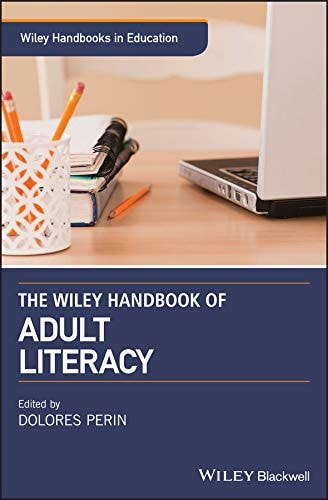
The Wiley Handbook of Adult Literacy
0
0
As an Amazon Associate and affiliate partner, Menrva Books earns from qualifying purchases. Learn more
Author Description
Examines the widespread phenomenon of poor literacy skills in adults across the globe This handbook presents a wide range of research on adults who have low literacy skills. It looks at the cognitive, affective, and motivational factors underlying adult literacy; adult literacy in different countries; and the educational approaches being taken to help improve adults' literacy skills. It includes not only adults enrolled in adult literacy programs, but postsecondary students with low literacy skills, some of whom have reading disabilities. The first section of The Wiley Handbook of Adult Literacy covers issues such as phonological abilities in adults who have not yet learned to read; gender differences in the reading motivation of adults with low literacy skills; literacy skills, academic self-efficacy, and participation in prison education; and more. Chapters on adult literacy, social change and sociocultural factors in South Asia and in Ghana; literacy, numeracy, and self-rated health among U.S. adults; adult literacy programs in Southeastern Europe and Turkey, and a review of family and workplace literacy programs are among the topics featured in the second section. The last part examines how to teach reading and writing to adults with low skills; adults' transition from secondary to postsecondary education; implications for policy, research, and practice in the adult education field; educational technologies that support reading comprehension; and more. Looks at the cognitive processing challenges associated with low literacy in adults Features contributions from a global team of experts in the field Offers writing strategy instruction for low-skilled postsecondary students The Wiley Handbook of Adult Literacy is an excellent book for academic researchers, teacher educators, professional developers, program designers, and graduate students. It's also beneficial to curriculum devel
Menrva's Summary
THE THESIS
This handbook investigates the multifaceted global issue of inadequate literacy skills among adults. It examines the cognitive, affective, and motivational factors contributing to low literacy, explores its prevalence and characteristics across different countries, and details the educational strategies employed to address these challenges. The work includes research on adults in formal literacy programs, postsecondary students with reading disabilities, and the broader societal implications of adult literacy.
THE SCOPE MAP
- Cognitive processing challenges associated with low literacy in adults
- Gender differences in reading motivation among adults with low literacy skills
- Literacy skills, academic self-efficacy, and participation in prison education
- Social change and sociocultural factors in adult literacy in South Asia and Ghana
- Literacy, numeracy, and self-rated health among U.S. adults
- Adult literacy programs in Southeastern Europe and Turkey
- Review of family and workplace literacy programs
- Teaching reading and writing to adults with low skills
- Adults' transition from secondary to postsecondary education
- Implications for policy, research, and practice in adult education
- Educational technologies supporting reading comprehension
THE AUTHORITY PERSPECTIVE
The Wiley Handbook of Adult Literacy is positioned as a comprehensive resource for academic researchers, teacher educators, professional developers, program designers, and graduate students. Its global team of experts and focus on practical strategies suggest it aims to inform both theoretical understanding and applied interventions in the field of adult literacy. The handbook's scope, covering cognitive factors, international contexts, and pedagogical approaches, indicates a thorough examination of the subject matter.
Page Count:
550
Publication Date:
2022-05-31
Publisher:
John Wiley & Sons, Incorporated
ISBN-10:
1119261422
ISBN-13:
9781119261421
Self-help
Psychology
Non-Fiction
Sociology
Education
Research
Adult Literacy
Community Tags
Other Editions(4)
Similar Books








Reader Comments
Share Your Thoughts
No comments yet. Be the first to share your thoughts!