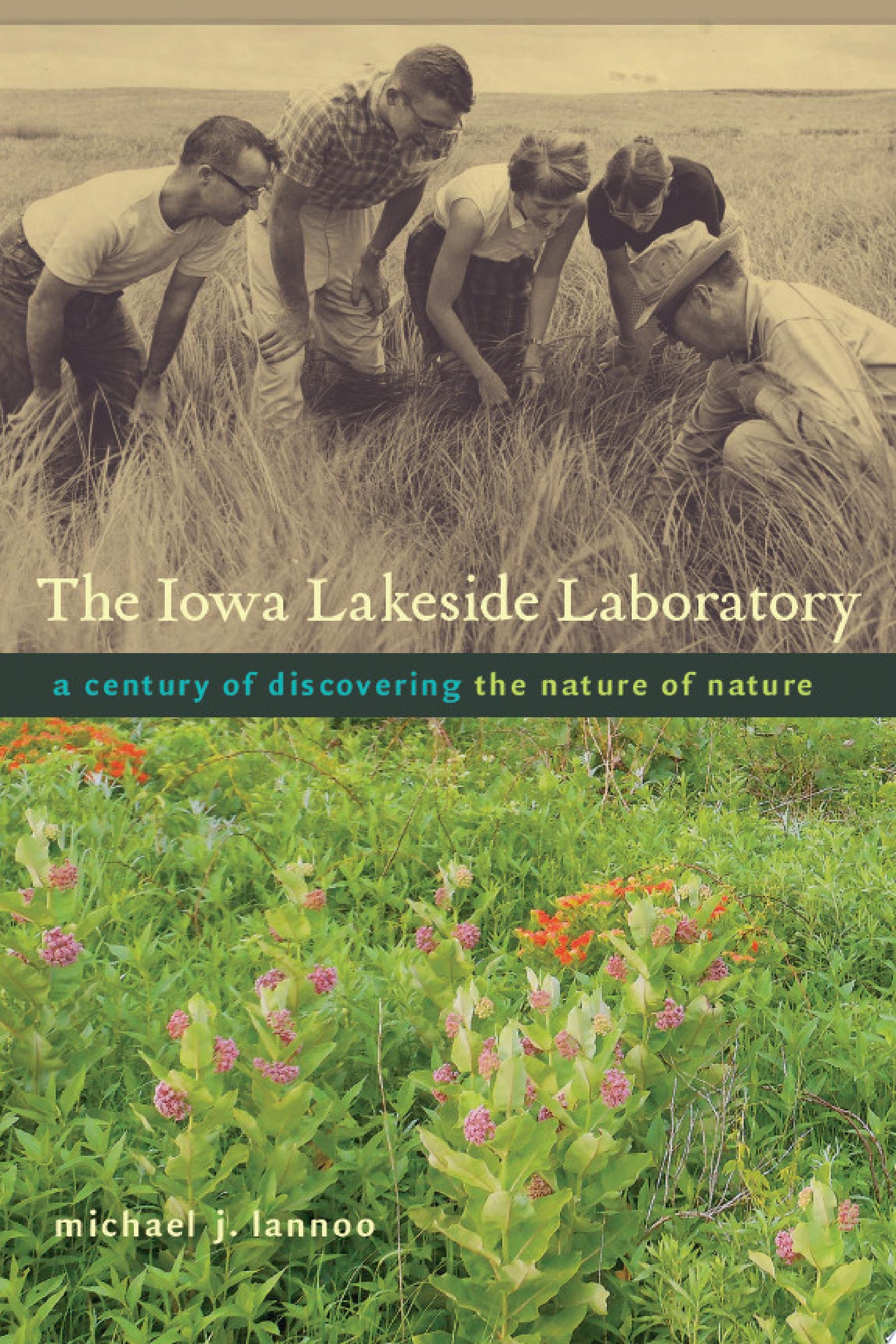
The Iowa Lakeside Laboratory
0
0
As an Amazon Associate and affiliate partner, Menrva Books earns from qualifying purchases. Learn more
Author Description
Imagine a place dedicated to the long-term study of nature in nature, a permanent biological field station, a teaching and research laboratory that promotes complete immersion in the natural world. Lakeside Laboratory, founded on the shore of Lake Okoboji in northwestern Iowa in 1909, is just such a place. In this remarkable and insightful book, Michael Lannoo sets the story of Lakeside Lab within the larger story of the primacy of fieldwork, the emergence of conservation biology, and the ability of field stations to address such growing problems as pollution, disease, habitat loss, invasive species, and climate change. At the intersection of major ecosystems with distinct plant and animal communities and surrounded by what, ironically, may be the most intensely cultivated landscape on earth, Lakeside has a long history of rubber-boot biologists saturated in the spirit that grounds the new discipline of conservation biology, and Lannoo brings this history to life with his descriptions of the people and ideas that shaped it. Lakeside’s continuing commitment to bringing the laboratory to the field rather than bringing the field to the lab has supported a focus on mammalogy, ornithology, herpetology, ichthyology, invertebrate biology, parasitology, limnology, and algology, subjects rarely taught now on university campuses but crucial to the planet’s health. Today’s huge array of environmental problems can best be solved by people who have learned about nature within nature at a place with a long history of research and observation, people who thoroughly understand and appreciate nature’s cogs and wheels. Lakeside Lab and biological research stations like it have never been more relevant to science and to society at large than they are today. Michael Lannoo convinces us that while Lakeside’s past is commendable, its future, grounded in ecological principles, will help shape a more sustainable society.
Menrva's Summary
THE THESIS
The Iowa Lakeside Laboratory stands as a testament to the enduring value of immersive, long-term ecological study within its natural environment. Founded in 1909 on the shores of Lake Okoboji, this biological field station has fostered a unique approach to research and education, prioritizing direct engagement with nature. The book explores how Lakeside's history is intertwined with the rise of fieldwork and conservation biology, demonstrating the critical role such institutions play in addressing contemporary environmental challenges like pollution, habitat loss, and climate change.
THE SCOPE MAP
- The historical development of the Iowa Lakeside Laboratory from its founding in 1909.
- The significance of fieldwork and the emergence of conservation biology.
- The role of biological field stations in addressing environmental problems such as pollution, disease, habitat loss, invasive species, and climate change.
- The unique ecological setting of Lakeside Lab, situated between major ecosystems and an intensely cultivated landscape.
- The contributions of 'rubber-boot biologists' and their dedication to conservation principles.
- Key scientific disciplines supported by Lakeside, including mammalogy, ornithology, herpetology, ichthyology, invertebrate biology, parasitology, limnology, and algology.
- The future relevance of Lakeside Laboratory and similar institutions in promoting a sustainable society.
THE AUTHORITY PERSPECTIVE
The book is presented as an insightful exploration of the Iowa Lakeside Laboratory's history and its vital role in ecological research and conservation. It highlights the institution's unique approach to immersive fieldwork and its contributions to understanding and addressing pressing environmental issues. The narrative emphasizes the importance of places like Lakeside in training scientists equipped to tackle modern ecological challenges. The author makes a compelling case for the continued relevance and future impact of biological research stations in fostering a sustainable society.
Page Count:
108
Publication Date:
2012-11-15
Publisher:
University of Chicago Press
ISBN-10:
1609381394
ISBN-13:
9781609381394
Science
Nature
Non-Fiction
History
Community Tags
Similar Books