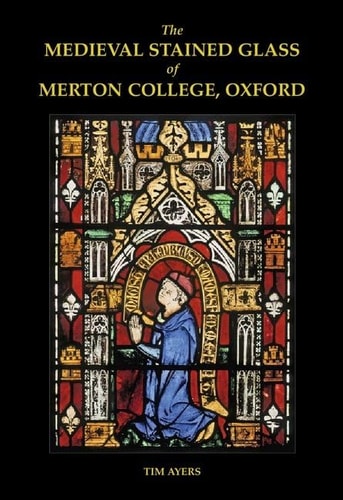
The Medieval Stained Glass of Merton College, Oxford
0
0
As an Amazon Associate and affiliate partner, Menrva Books earns from qualifying purchases. Learn more
Author Description
This is the first full study of the important medieval stained glass of Merton College, Oxford. The scheme in the chapel is exceptionally well preserved; with the nave of York Minster, it represents the largest surviving set of early fourteenth-century windows in Britain. Research for this volume in the rich college archives has provided a new date for them, and identified the glazier, whose business is considered locally. Outstanding early fifteenth-century panels from the transepts are attributed to the workshop of Thomas Glazier, who had worked for William of Wykeham, Chancellor of England. Seven windows in the Old Library contain the earliest glazing to survive from any English library. The glass will therefore be of interest to many students of English medieval art and architecture.A general introduction also explores the potential of the monument for study within a university context. Merton was a model for the self-governing graduate college of the later middle ages in England. The glass invites consideration of the relationship between art and ideas, in a lost astrological window, for example; and the self-presentation of the scholar and college communities, both to themselves and to the society that supported them. As a result of the central place of the universities in national life, the Merton glass was an inspiration during the Gothic revival to artists and glazing businesses such as the Pre-Raphaelite John Everett Millais, and Morris, Marshall, Faulkner & Co.The medieval glass is catalogued, fully illustrated and supported with restoration diagrams. There are forty colour plates. The post-medieval glass is also catalogued.
Menrva's Summary
THE THESIS
This volume investigates the historical significance, artistic provenance, and cultural context of the medieval stained glass collection at Merton College, Oxford. Tim Ayers, a specialist in medieval art, utilizes extensive archival research and physical analysis of the windows to establish new dating and attribution for these artifacts. The work argues that the glass serves as a critical primary source for understanding the intersection of academic life, religious patronage, and artistic production in fourteenth and fifteenth-century England.
THE SCOPE MAP
What You Will Find
- A comprehensive catalogue of medieval and post-medieval stained glass at Merton College.
- Technical analysis of the fourteenth-century chapel windows and the fifteenth-century transept panels.
- Attribution of specific works to the workshop of Thomas Glazier.
- Examination of the influence of Merton's glass on the nineteenth-century Gothic revival movement.
- Restoration diagrams and forty high-quality color plates documenting the collection.
THE AUTHORITY PERSPECTIVE
Scholars and art historians recognize this text as the definitive reference for the Merton College collection. Readers frequently note the meticulous archival detail and the clarity with which the author connects specific artistic choices to the broader intellectual climate of the medieval university.
Page Count:
762
Publication Date:
2013-07-18
Publisher:
British Academy
ISBN-10:
0197265448
ISBN-13:
9780197265444
Architecture
Great Britain
Academic
British History
Art History
Community Tags
Other Editions(3)

Similar Books











Reader Comments
Share Your Thoughts
No comments yet. Be the first to share your thoughts!