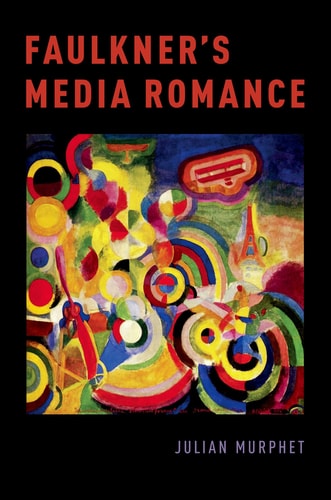
Faulkner's Media Romance
0
0
As an Amazon Associate and affiliate partner, Menrva Books earns from qualifying purchases. Learn more
Author Description
This book treats William Faulkner's major fiction--from Flags in the Dust through to Absalom, Absalom!--to a searching reappraisal under the spotlight of a media-historical inquiry. It proposes that Faulkner's inveterate attraction to the paradigms of romance was disciplined and masked by the recurrent use of metaphorical figures borrowed from the new media ecology. Faulkner dressed up his romance materials in the technological garb of radio, gramophony, photography, and cinema, along with the transportational networks of road and air that were being installed in the 1920s. His modernism emerges from a fraght but productive interplay between his anachronistic predilection for chivalric chichés and his extraordinarily knowledgeable interest in the most up-to-date media institutions and forms. Rather than see Faulkner as a divided author, who worked for money in the magazines and studios while producing his serious fiction in despite of their symbolic economies, this study demonstrates how profoundly his mature art was shot through with the figures and dynamics of the materials he publicly repudiated. The result is a richer and more nuanced understanding of the dialectics of his art.
Menrva's Summary
THE THESIS
How did William Faulkner integrate the emerging media technologies of the early 20th century into his literary practice? Julian Murphet, a scholar specializing in modernism and media history, argues that Faulkner’s work is not a binary conflict between high art and commercial necessity. Instead, he posits that Faulkner actively synthesized the paradigms of romance with the technological vocabulary of radio, cinema, and transportation to construct his modernist aesthetic.
THE SCOPE MAP
What You Will Find
- Analysis of Faulkner's major works from Flags in the Dust to Absalom, Absalom!
- Examination of media ecology including gramophony, photography, and aviation
- Theoretical framework connecting chivalric tropes to modern technological metaphors
Scope Limits
- The study focuses primarily on the period between the 1920s and the mid-1930s
- It does not provide a comprehensive biography of the author's personal life
THE AUTHORITY PERSPECTIVE
Scholars recognize this text as a significant contribution to the study of Faulkner’s engagement with modernity and technological change. The prose is academically dense and assumes a high level of familiarity with both Faulkner’s bibliography and media theory.
Page Count:
298
Publication Date:
2019-01-01
Publisher:
Oxford University Press
ISBN-10:
0190077808
ISBN-13:
9780190077808
Politics
Cultural
English & College Success
American
Media Studies
Literary Criticism
Academic
English
Modernism
Criticism history
Criticism & Theory
Cultural Anthropology
Anthropology
Community Tags
Other Editions(3)

Similar Books