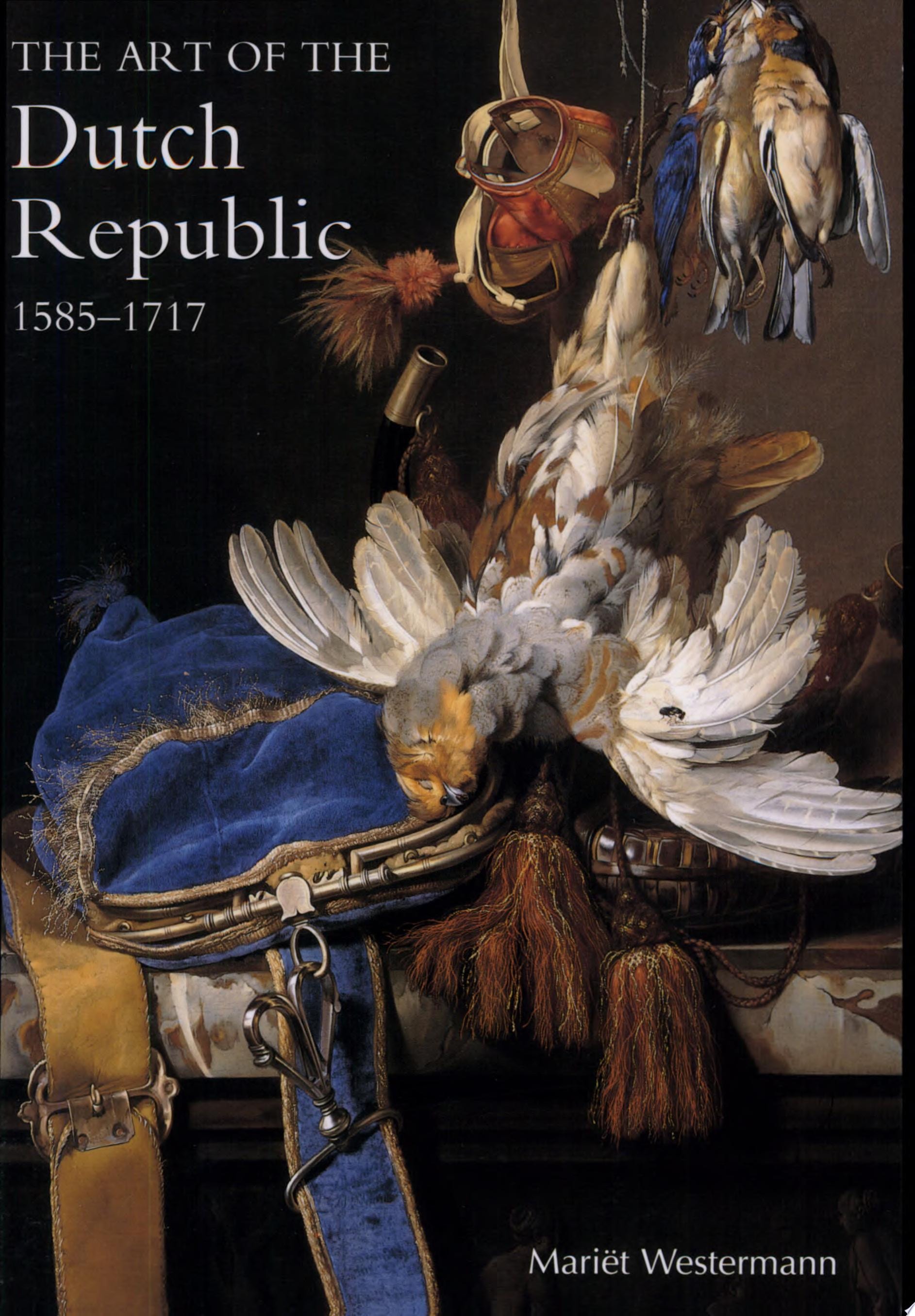
The Art of the Dutch Republic, 1585-1718
0
0
As an Amazon Associate and affiliate partner, Menrva Books earns from qualifying purchases. Learn more
Author Description
The artistic culture of the Dutch republic in the seventeenth century has given us some of the most familiar and best-loved examples of European painting. In this fresh and readable account, Westermann describes this art as it was experienced by the people of the period and as it appears to us today. She shows how the history of Dutch art mirrors that of the Republic itself: vigorous, self-governing, and staunchly middle class. The prosperity of Amsterdam, Haarlem and Delft, created and supported such great names as Rembrandt, Vermeer, Frans Hals and Jan Steer, as well as many lesser-known painters and printmakers. Their works are discussed in the political, economic, religious and domestic contexts in which they were produced and seen. By bringing all this together, Westermann creates a richly detailed picture of Dutch culture at an extraordinary moment.
Menrva's Summary
THE THESIS
This book examines the vibrant artistic culture of the Dutch Republic during its Golden Age, from 1585 to 1718. It explores how this art was perceived by its contemporaries and how it resonates today, demonstrating a parallel between the history of Dutch art and the Republic's own character: dynamic, self-governing, and fundamentally middle-class. The economic prosperity of key cities like Amsterdam, Haarlem, and Delft fostered the careers of renowned artists such as Rembrandt, Vermeer, Frans Hals, and Jan Steen, alongside numerous other painters and printmakers. Westermann situates these works within their broader political, economic, religious, and domestic environments, constructing a detailed portrait of Dutch culture during a remarkable period.
THE SCOPE MAP
- Exploration of the artistic culture of the Dutch Republic between 1585 and 1718.
- Analysis of how Dutch art was experienced by people of the period and its perception today.
- Connection drawn between the history of Dutch art and the Republic's socio-political characteristics.
- Discussion of the economic prosperity of cities like Amsterdam, Haarlem, and Delft as a catalyst for artistic production.
- Focus on prominent artists including Rembrandt, Vermeer, Frans Hals, and Jan Steen.
- Inclusion of lesser-known painters and printmakers.
- Contextualization of artworks within their political, economic, religious, and domestic settings.
- Creation of a detailed picture of Dutch culture during an extraordinary historical moment.
THE AUTHORITY PERSPECTIVE
The book is recognized for its fresh and readable account of Dutch art history, effectively linking artistic output to the socio-political and economic landscape of the Dutch Republic. It is praised for discussing art as it was experienced by people of the period, offering a perspective that resonates with contemporary viewers. The work is noted for its ability to create a richly detailed picture of Dutch culture by integrating the context of production and reception with the discussion of prominent and lesser-known artists. This comprehensive approach positions the book as a valuable resource for understanding a significant era in European art and history.
Page Count:
192
Publication Date:
2004-01-01
Publisher:
Laurence King Publishing
ISBN-10:
1856694437
ISBN-13:
9781856694438
Art
History
Art History
Painting
European History
Cultural History
Community Tags
Similar Books