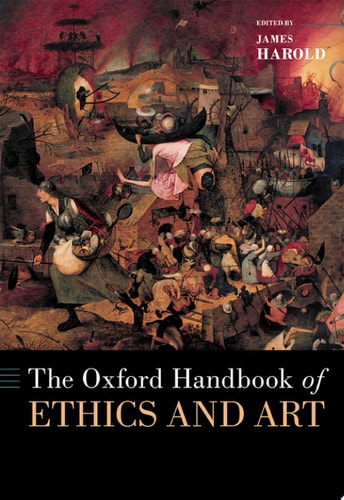
The Oxford Handbook of Ethics and Art (OXFORD HANDBOOKS SERIES)
0
0
As an Amazon Associate and affiliate partner, Menrva Books earns from qualifying purchases. Learn more
Author Description
This volume is about how and whether art can be morally bad (or morally good). Politicians, media pundits, and others frequently complain that particular works of art are morally dangerous, or, sometimes, that particular works are morally edifying (the "great works" of literature, for example). But little attention is often given to the question of what makes art morally good in the first place. This comprehensive volume of forty-five new essays explores a wide variety of historical and theoretical perspectives, looking at different art forms and different problems.Each section of the volume samples a mix of topics that have been widely discussed alongside those that have been less noticed by philosophers. What emerges is a sense of the great variety of different problems and approaches as well as some recurring and overlapping themes.The essays in this volume put forth a deliberate effort to stretch beyond some of the debates and problems most familiar to Anglophone philosophers. Familiar topics and positions have been placed side by side in the volume with new and neglected ones, sometimes suggesting surprising connections and conflicts. The volume is divided into four sections: Historical Perspectives, Theoretical Approaches, Individual Arts, and Problems. Chapters in "Historical Perspectives" cover significant historical and cultural periods in which philosophical debates about ethics and art became salient, from ancient Greece and China to Japan, the Harlem Renaissance, and beyond. These chapters show the wide variety of different concrete practices that were associated with the idea of "art," as well as the great range of approaches to thinking about what constitutes an "ethical" concern. The section on "Theoretical Approaches" takes up questions about the relationship between moral and aesthetic evaluation, moral theories, and the familiar debate between "moralists," "autonomists," and others. The section on "Individual Arts" considers how moral questions arise.
Menrva's Summary
THE THESIS
This volume investigates the complex, multifaceted relationship between moral evaluation and aesthetic value in art. Edited by James Harold, the collection gathers forty-five original essays that examine how art functions as a moral agent, whether through its capacity to be morally dangerous or its potential for edification. The contributors draw upon diverse historical and theoretical frameworks to challenge conventional Anglophone philosophical debates, providing a rigorous analysis of how ethics intersect with various artistic mediums and cultural contexts.
THE SCOPE MAP
What You Will Find
- Historical analysis of ethical debates in art from ancient Greece, China, and Japan to the Harlem Renaissance.
- Theoretical frameworks comparing moralism, autonomism, and other aesthetic-moral evaluation models.
- Examination of moral questions specific to individual art forms including literature, visual arts, and performance.
- Exploration of neglected philosophical problems alongside familiar academic discourse.
THE AUTHORITY PERSPECTIVE
Experts identify this collection as a comprehensive resource for scholars and students navigating the intersection of aesthetics and moral philosophy. Readers frequently note the academic density of the prose, which serves as a foundational reference for those seeking to understand the breadth of contemporary discourse in the field.
Page Count:
792
Publication Date:
2023-01-01
Publisher:
Oxford University Press
ISBN-10:
0197539793
ISBN-13:
9780197539798
Philosophy
Art Theory
Aesthetics
Academic
Ethics
Community Tags
Similar Books