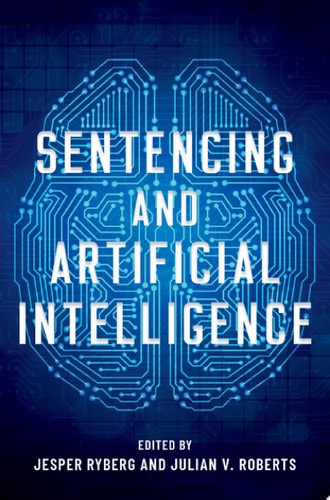
Sentencing and Artificial Intelligence: Studies in Penal Theory and Philosophy
0
0
As an Amazon Associate and affiliate partner, Menrva Books earns from qualifying purchases. Learn more
Author Description
The first collective work devoted exclusively to the ethical and penal theoretical considerations of the use of artificial intelligence at sentencingIs it morally acceptable to use artificial intelligence (AI) in the determination of sentences on those who have broken the law? If so, how should such algorithms be used--and what are the consequences?Jesper Ryberg and Julian V. Roberts bring together leading experts to answer these questions. Sentencing and Artificial Intelligence investigates to what extent, and under which conditions, justice and the social good may be promoted by allocating parts of the most important task of the criminal court--that of determining legal punishment--to computerized sentencing algorithms. The introduction of an AI-based sentencing system could save significant resources and increase consistency across jurisdictions. But it could also reproduce historical biases, decrease transparency in decision-making, and undermine trust in the justice system. Dealing with a wide-range of pertinent issues including the transparency of algorithmic-based decision-making, the fairness and morality of algorithmic sentencing decisions, and potential discrimination as a result of these practices, this volume offers avaluable insight on the future of sentencing.
Menrva's Summary
THE THESIS
This volume investigates the moral and ethical legitimacy of integrating artificial intelligence algorithms into the judicial process of criminal sentencing. Editors Jesper Ryberg and Julian V. Roberts curate a collection of essays from leading experts to evaluate whether computerized systems can enhance judicial consistency and resource efficiency without compromising fairness. The text examines the tension between the potential for technological optimization and the risks of systemic bias, reduced transparency, and the erosion of public trust in legal institutions.
THE SCOPE MAP
What You Will Find
- Ethical frameworks for evaluating algorithmic decision-making in criminal courts
- Analysis of potential biases and discriminatory outcomes in automated sentencing tools
- Comparative studies on the transparency and accountability of computerized legal systems
- Theoretical discussions regarding the social good versus the risks of dehumanized justice
THE AUTHORITY PERSPECTIVE
Experts identify this volume as a foundational text for scholars and practitioners navigating the intersection of penal theory and emerging technology. Readers frequently note the academic density of the prose, which provides a rigorous examination of the moral implications inherent in delegating judicial authority to software.
Page Count:
296
Publication Date:
2022-02-04
Publisher:
Oxford University Press
ISBN-10:
019753953X
ISBN-13:
9780197539538
Philosophy
Law
Ethics
Technology
Community Tags
Similar Books