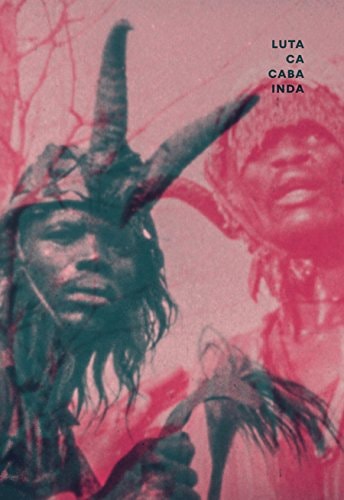
Luta Ca Caba Inda: Time Place Matter Voice, 1967-2017
0
0
As an Amazon Associate and affiliate partner, Menrva Books earns from qualifying purchases. Learn more
Author Description
Assembled by Berlin-based artist and filmmaker Filipa Csar (b. 1975), Luta Ca Caba Inda (The struggle is not over yet) is an archive of film and studio material from the West African country Guinea-Bissau. On the verge of complete ruin, the film footage testifies to the birth of Guinean cinema as part of the decolonizing vision of Amlcar Cabral, the liberation leader who was assassinated in 1973. In collaboration with the Guinean filmmakers, Sana na NHada and Flora Gomes, and others, Filipa Csar imagines a journey where the past operates as prism. Digitized in Berlin and screened at various locations in what would come to resemble a transnational itinerant cinema, the archive brings together debates, storytelling and forecasts. From screenings in isolated villages in Guinea-Bissau to European capitals, the silent reels are now a place from which people may search for antidotes to a world in crisis. Cesars work uses the reanimation of media and its materiality to elaborate counter-narratives to historical violence. Selected film festivals include Khiasma, Paris (2015); Mumok, Vienna (2016); Biennial Contour 8, Mechelen (2017).
Menrva's Summary
THE THESIS
This archive explores the nascent Guinean cinema as a manifestation of decolonization and a counter-narrative to historical violence. Assembled by artist and filmmaker Filipa Csar, the collection comprises film and studio material from Guinea-Bissau, documenting the birth of its cinema under the vision of liberation leader Amilcar Cabral. Digitized and screened internationally, this archive serves as a platform for debates, storytelling, and forecasts, offering a means to search for antidotes to contemporary global crises through the reanimation of media and its materiality.
THE SCOPE MAP
- Archival film and studio material from Guinea-Bissau, spanning 1967-2017.
- Focus on the birth of Guinean cinema as part of Amilcar Cabral's decolonizing vision.
- Collaboration with Guinean filmmakers Sana na NHada and Flora Gomes.
- Digitization and screening of materials in Berlin and various international locations, resembling a transnational itinerant cinema.
- Content includes debates, storytelling, and forecasts presented through film.
- Exploration of the materiality of reanimated media to counter historical violence.
- Selected film festival screenings: Khiasma (Paris, 2015), Mumok (Vienna, 2016), Contour 8 Biennial (Mechelen, 2017).
THE AUTHORITY PERSPECTIVE
The archive is presented as a significant collection of film and studio material, highlighting the birth of Guinean cinema and its connection to decolonization. Its transnational itinerant screening approach suggests an engagement with diverse audiences, from isolated villages to European capitals. The work's focus on reanimating media to elaborate counter-narratives to historical violence positions it as a critical intervention in understanding post-colonial contexts. The inclusion of specific festival screenings indicates its reception within contemporary art and film circuits.
Page Count:
422
Publication Date:
2017-01-01
Publisher:
Archive Books
ISBN-10:
3943620603
ISBN-13:
9783943620603
History
Non-Fiction
Art
Art History
Film Studies
Decolonization
Community Tags
Similar Books














