Donatello, Michelangelo, Cellini: Sculptor's Drawings from Renaissance Italy
0
0
As an Amazon Associate and affiliate partner, Menrva Books earns from qualifying purchases. Learn more
Author Description
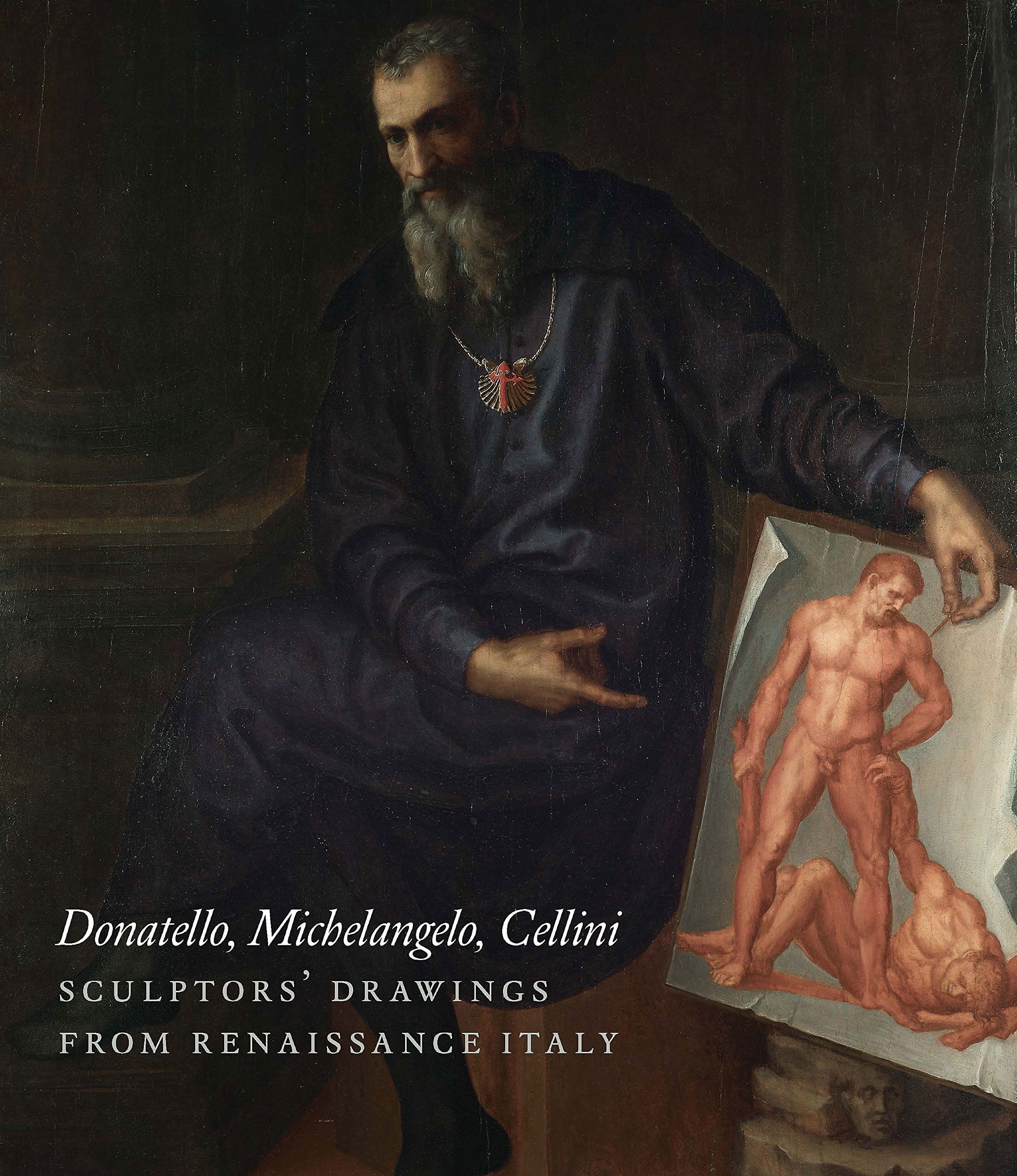
The self-portrait of Baccio Bandinelli shows the sculptor pointing to an object that he has placed on a kind of pedestal. Among the most remarkable aspects of this object is that it is not a sculpture but a design in red chalk, a medium that few other Renaissance sculptors used. Bandinelli was particularly proud of his skills as a draughtsman, and he produced hundreds of drawings, many of them as striking and unusual as the one his portrait depicts. His talent and productivity set him apart from other sculptors of his day, most of whom left little evidence of having worked extensively on paper. This publication, which accompanies an important exhibition at the Isabella Stewart Gardner Museum, puts Bandinelli's portrait in context by looking broadly at the practice of drawing by Renaissance sculptors, including such luminaries as Donatello, Verrocchio, Michelangelo, Cellini and Giambologna. The book surveys two centuries of material, considering rough sketches and more finished sheets, isolated studies and sequences of ideas. Comparing designs on paper to related three-dimensional works by the same artists, the book directly confronts the question of the importance drawing held for sculptors in the period. The authors, who include specialists in the history of sculpture and drawing, among other fields, pose new questions about the creative process and the relation between the arts in Renaissance Italy. A focus of the book will be Bandinellis own drawings and the development of his practice across his career and his experimentation with different media. The broader question considered, however, is when, how and why sculptors drew. Every Renaissance sculptor who set out to make a work in metal or stone would first have made a series of preparatory models in wax, clay and/or stucco. Drawing was not an essential practice for sculptors in the way it was for painters, and indeed, most surviving sculptors drawings are not preparatory studies for works they subsequently exec
Menrva's Summary
THE THESIS
This publication examines the role of drawing in the creative process of Renaissance sculptors.
The book, accompanying an exhibition at the Isabella Stewart Gardner Museum, contextualizes Baccio Bandinelli's self-portrait, which features a red chalk drawing, by exploring the broader practice of drawing among Renaissance sculptors. It surveys two centuries of drawings, from rough sketches to finished sheets, and compares them to the artists' three-dimensional works to question the importance of drawing for sculptors of the period. The authors investigate new questions about the creative process and the relationship between the arts in Renaissance Italy, with a particular focus on Bandinelli's own drawings and their development.
THE SCOPE MAP
- Analysis of Baccio Bandinelli's self-portrait and his use of red chalk for drawings.
- Exploration of drawings by prominent Renaissance sculptors including Donatello, Verrocchio, Michelangelo, Cellini, and Giambologna.
- Survey of two centuries of sculptural drawings, encompassing sketches, finished sheets, and idea sequences.
- Comparison of drawings with related three-dimensional works by the same artists.
- Investigation into the importance of drawing for sculptors in the Renaissance period.
- Discussion of new questions regarding the creative process and the interrelation of arts in Renaissance Italy.
- Focus on Bandinelli's drawings, their career development, and experimentation with media.
THE AUTHORITY PERSPECTIVE
This publication, accompanying an exhibition at the Isabella Stewart Gardner Museum, offers a scholarly examination of drawing practices among Renaissance sculptors. It aims to contextualize the use of drawing by artists like Baccio Bandinelli, Donatello, and Michelangelo, comparing their works on paper with their sculptures to understand the creative process. The authors, specialists in sculpture and drawing history, pose new questions about the relationship between different art forms in Renaissance Italy. The book's focus on Bandinelli's oeuvre and the broader inquiry into why and how sculptors drew provides a comprehensive look at this under-explored aspect of Renaissance art.
Page Count:
264
Publication Date:
2014-01-01
Publisher:
Isabella Stewart Gardner Museum
ISBN-10:
1907372709
ISBN-13:
9781907372704
Art
History
Non-Fiction
Drawing
Sculpture
Art History
Community Tags
Similar Books

Reader Comments
Share Your Thoughts
No comments yet. Be the first to share your thoughts!