The Serpent Column: A Cultural Biography
0
0
As an Amazon Associate and affiliate partner, Menrva Books earns from qualifying purchases. Learn more
Author Description
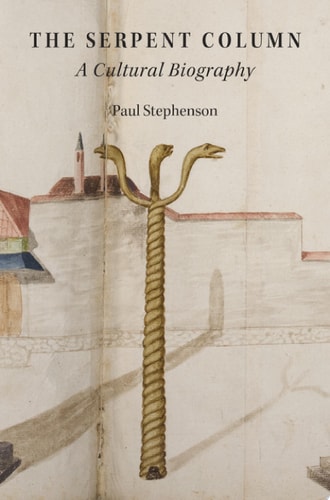
The Serpent Column, a bronze sculpture that has stood in Delphi and Constantinople, today Istanbul, is a Greek representation of the Near Eastern primordial combat myth: it is Typhon, a dragon defeated by Zeus, and also Python slain by Apollo. The column was created after the Battle of Plataia (479 BC), where the sky was dominated by serpentine constellations and by the spiralling tails of the Milky Way. It was erected as a votive for Apollo and as a monument to the victory of the united Greek poleis over the Persians. It is as a victory monument that the column was transplanted to Constantinople and erected in the hippodrome. The column remained a monument to cosmic victory through centuries, but also took on other meanings. Through the Byzantine centuries these interpretation were fundamentally Christian, drawing upon serpentine imagery in Scripture, patristic and homiletic writings. When Byzantines saw the monument they reflected upon this multivalent serpentine symbolism, but also the fact that it was a bronze column. For these observers, it evoked the Temple's brazen pillars, Moses' brazen serpent, the serpentine tempter of Genesis (Satan), and the beast of Revelation. The column was inserted into Christian sacred history, symbolizing creation and the end times. The most enduring interpretation of the column, which is unrelated to religion, and therefore survived the Ottoman capture of the city, is as a talisman against snakes and snake-bites. It is this tale that was told by travellers to Constantinople throughout the Middle Ages, and it is this story that is told to tourists today who visit Istanbul. In this book, Paul Stephenson twists together multiple strands to relate the cultural biography of a unique monument.
Menrva's Summary
THE THESIS
This book investigates the cultural biography of the Serpent Column, tracing its shifting symbolic meanings from its origins as a Greek victory monument to its later status as a talisman in Ottoman-era Istanbul. Paul Stephenson, a historian specializing in the medieval Mediterranean and Byzantine world, utilizes a multidisciplinary approach to analyze the monument. He synthesizes archaeological evidence, historical texts, and religious iconography to demonstrate how the column was reinterpreted across centuries by different cultures and belief systems.
THE SCOPE MAP
What You Will Find
- Historical analysis of the Battle of Plataia and the creation of the votive column.
- Examination of the column's relocation to the Constantinople hippodrome.
- Analysis of Christian interpretations involving biblical serpentine imagery.
- Documentation of the column's enduring reputation as a talisman against snakes.
Scope Limits
- The text does not provide a comprehensive history of the entire hippodrome structure.
- It does not focus on the technical metallurgical composition of the bronze beyond its symbolic significance.
THE AUTHORITY PERSPECTIVE
Scholars and historians recognize this work as a rigorous study of how material objects acquire and shed cultural significance over time. Readers frequently note the academic density of the prose, which provides a detailed, scholarly examination of the intersection between classical antiquity and Byzantine religious thought.
Page Count:
304
Publication Date:
2016-01-01
Publisher:
Oxford University Press
ISBN-10:
0190209070
ISBN-13:
9780190209070
History
Archaeology
Ancient History
Ancient Greece
Humanities
Sculpture
Art History
Byzantine History
Social Life
Community Tags
Similar Books