We Now Belong to Ourselves: J.L. Edmonds, The Black Press, and Black Citizenship in America
0
0
As an Amazon Associate and affiliate partner, Menrva Books earns from qualifying purchases. Learn more
Author Description
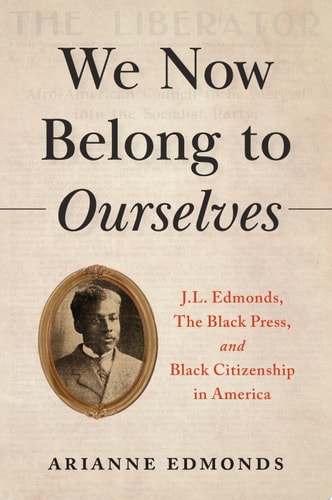
Weaving together poetry, personal narrative, and never-before-seen documents from the Jefferson Lewis Edmonds' family archive, Arianne Edmonds provides a wide-ranging look at how the Black Press of the late nineteenth and early twentieth centuries defined Black citizenship after Reconstruction, fostered networks of resistance, and set in motion critical social justice narratives that are still relevant today. At the turn of the twentieth century, the Black press provided a blueprint to help Black Americans transition from slavery and find opportunities to advance and define African American citizenship. Among the vanguard of the Black press was Jefferson Lewis Edmonds, founder and editor of The Liberator newspaper. His Los Angeles-based newspaper championed for women's rights, land and business ownership, education, and civic engagement, while condemning lynchings and other violent acts against African Americans. It encouraged readers to move westward and build new communities, and it printed stories about weddings and graduations as a testament to the lives and moments not chronicled in the White-owned press. Edmonds took this fierce perspective in his journalist career for he himself was born into slavery and dedicated his life to creating pathways of liberation for those who came after him. Across the pages of his newspaper, Edmonds painted a different perspective on Black life in America and championed for his community--from highlighting the important work of his contemporaries, including Booker T. Washington and W.E.B. Du Bois, to helping local readers find love in the personal ads section. The Liberator, along with a chorus of Black newspapers at the turn of the century, educated an entire generation on how to guard their rights and take claim of their new American citizenship. Written by Jefferson Lewis Edmonds' great-great granddaughter, We Now Belong to Ourselves chronicles how Edmonds and other pioneering Black publishers documented the shifting tides
Menrva's Summary
THE THESIS
This work investigates how the Black Press, specifically the career of Jefferson Lewis Edmonds, functioned as a primary vehicle for defining Black citizenship and resistance in the post-Reconstruction United States. Arianne Edmonds, the great-great-granddaughter of the subject, utilizes a unique blend of personal narrative, poetry, and primary source documents from the family archive to reconstruct the historical impact of the Los Angeles-based newspaper, The Liberator. The book argues that these early twentieth-century publications were instrumental in fostering community, advocating for civil rights, and documenting the daily lives of African Americans in a way that countered the erasure present in mainstream media.
THE SCOPE MAP
What You Will Find
- Historical analysis of the Black Press during the late nineteenth and early twentieth centuries.
- Examination of Jefferson Lewis Edmonds' role as a founder and editor of The Liberator.
- Integration of primary source documents, including personal family archives and newspaper excerpts.
- Exploration of themes such as land ownership, education, women's rights, and civic engagement within the Black community.
THE AUTHORITY PERSPECTIVE
This text is recognized for its intimate approach to historical biography, effectively bridging the gap between academic research and personal family history. Scholars and readers alike highlight the book's value in illuminating the specific contributions of Western-based Black newspapers to the broader national discourse on citizenship.
Page Count:
352
Publication Date:
2025-06-01
Publisher:
Oxford University Press
ISBN-10:
0197579086
ISBN-13:
9780197579084
Biography
Politics
History
Journalism
Americas
Social justice
Ethnic Studies
Educational Resources
Community Tags
Similar Books