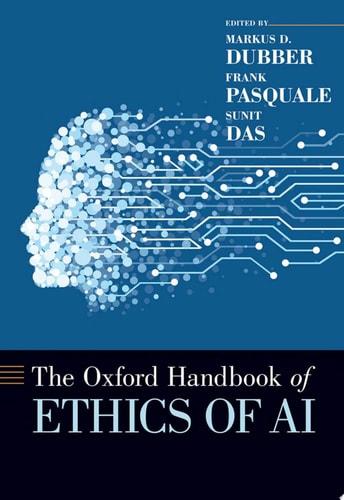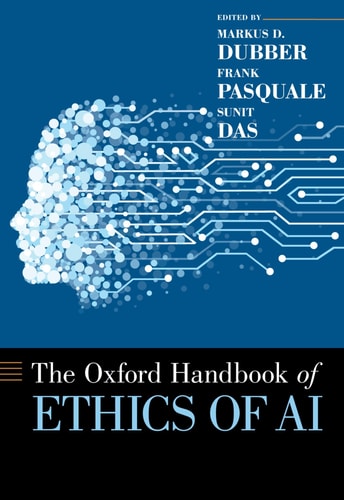
Oxford Handbook of Ethics of AI
0
0
As an Amazon Associate and affiliate partner, Menrva Books earns from qualifying purchases. Learn more
Author Description
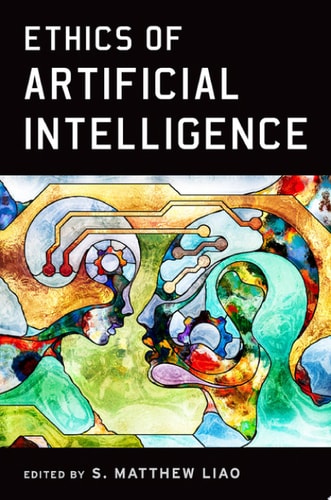
This volume tackles a quickly-evolving field of inquiry, mapping the existing discourse as part of placing current developments in historical context; at the same time, breaking new ground in taking on novel subjects and pursuing fresh approaches.The term "A.I." is used to refer to a broad range of phenomena, from machine learning and data mining to artificial general intelligence. The recent advent of more sophisticated AI systems, which function with partial or full autonomy and are capable of tasks which require learning and 'intelligence', presents difficult ethical questions, and has drawn concerns from many quarters about individual and societal welfare, democratic decision-making, moral agency, and the prevention of harm. This work ranges from explorations of normative constraints on specific applications of machine learning algorithms today-in everyday medical practice, for instance-to reflections on the (potential) status of AI as a form of consciousness with attendant rights and duties and, more generally still, on the conceptual terms and frameworks necessarily to understand tasks requiring intelligence, whether "human" or "A.I."
Menrva's Summary
THE THESIS
This volume investigates the complex ethical, legal, and societal implications arising from the rapid development and deployment of autonomous artificial intelligence systems. The editors, Frank L. Pasquale, Markus Dubber, and Sunit Das, assemble a multidisciplinary collection of scholars to examine how machine learning and data mining challenge existing normative frameworks. By situating current technological advancements within a historical context, the text provides a rigorous analysis of how AI impacts moral agency, democratic governance, and individual welfare.
THE SCOPE MAP
What You Will Find
- Analysis of normative constraints on machine learning algorithms in sectors like medical practice.
- Theoretical frameworks for understanding the conceptual differences between human and machine intelligence.
- Explorations of the potential legal and moral status of AI systems regarding rights and duties.
- Critical discourse on the impact of autonomous systems on societal welfare and democratic decision-making.
THE AUTHORITY PERSPECTIVE
Experts and scholars in the fields of technology law and philosophy frequently cite this work as a comprehensive reference for navigating the ethical landscape of modern computing. Readers often note the academic density of the prose, which serves as a foundational text for those seeking to understand the intersection of AI development and human rights.
Page Count:
896
Publication Date:
2021-04-30
Publisher:
Oxford University Press
ISBN-10:
0197601448
ISBN-13:
9780197601440
Philosophy
Ethics
Technology
Sociology
Law
Community Tags
Similar Books