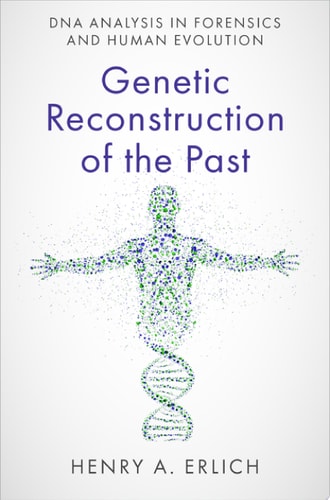
Genetic Reconstruction of the Past: DNA Analysis in Forensics and Human Evolution
0
0
As an Amazon Associate and affiliate partner, Menrva Books earns from qualifying purchases. Learn more
Author Description
The same DNA technology that allows the analysis of a hair or tiny blood spot at a crime scene also enables sequencing the DNA of a bone fragment from a Neanderthal skeleton. Comparing the DNA sequences of different samples and comparing the frequency of specific genetic variants in different populations is a critical part of both forensic and evolutionary investigations. These two fields share a common goal: solving historical mysteries. The book discusses the intrinsic human curiosity about our origins and the desire to solve crimes and seek justice and how the recent emergence of DNA analysis has transformed our ability to address these universal human aspirations.The unifying theme of the book is the recently developed capacity to use DNA sequence information to make inferences about historical events. Part One is a discussion of how DNA analysis can reconstruct the recent past, in particular, the events that transpired at the scene of a crime. Part Two is a discussion of the application of DNA analysis to reconstructing the ancient past, using DNA sequences from human samples as well as from fossil remains to study the evolution of the human species and the historical relationships among contemporary and extinct human populations. Erlich discuss how he, along with his colleagues at Cetus Corp in the mid-1980s developed the PCR (polymerase chain reaction) technology of specific DNA amplification, a method of synthesizing millions of copies of a specific targeted DNA sequence and applied it to address forensic and evolutionary questions. It is this capacity, that has transformed both forensic science and evolutionary biology and has led to both the identification-and exoneration-of criminal suspects and a deeper understanding of human evolution. These techniques, now widely used, were applied in the first DNA criminal case, the first exoneration case, and the first identification of a missing person. Discussions on the history and the many remaining contentious i
Menrva's Summary
THE THESIS
How does the development of DNA amplification technology enable the reconstruction of historical events in both forensic investigations and evolutionary biology? Henry A. Erlich, a key figure in the development of PCR technology at Cetus Corp, provides an authoritative account of how molecular biology has transformed our ability to analyze genetic material from both crime scenes and ancient fossil remains. The book argues that the ability to synthesize millions of copies of targeted DNA sequences serves as a unifying methodology for solving mysteries of the recent past and the deep history of the human species. By bridging the gap between criminal justice and anthropology, Erlich demonstrates the profound impact of genetic sequencing on modern scientific inquiry.
THE SCOPE MAP
What You Will Find
- The historical development of polymerase chain reaction (PCR) technology during the 1980s.
- Methodologies for analyzing DNA from forensic samples like hair and blood spots.
- Techniques for sequencing ancient DNA from fossilized bone fragments.
- Case studies detailing the first applications of DNA evidence in criminal identification and exoneration.
THE AUTHORITY PERSPECTIVE
Experts recognize this work as a significant primary account of the technical origins of modern forensic genetics. Readers frequently note that the text provides a clear, accessible bridge between complex laboratory procedures and their real-world applications in justice and evolutionary research.
Page Count:
224
Publication Date:
2023-01-01
Publisher:
Oxford University Press
ISBN-10:
0197675360
ISBN-13:
9780197675366
History
Science
Dna
Evolutionary Biology
Medicine
Schools & Teaching
Genetics
Forensic Science
Evolution
Technology
ADN--Analyse
Community Tags
Similar Books