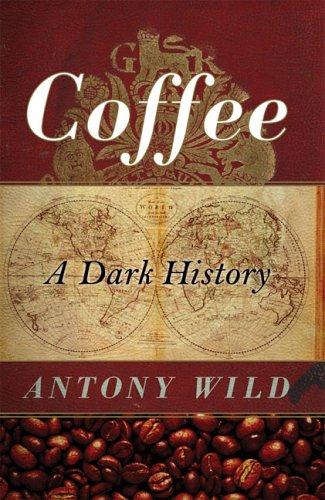
Coffee
0
0
As an Amazon Associate and affiliate partner, Menrva Books earns from qualifying purchases. Learn more
Author Description
Coffee trader and historian Antony Wild delivers a rollicking history of the most valuable legally traded commodity in the world after oil -- an industry that employs 100 million people throughout the world. From obscure beginnings in east Africa in the fifteenth century as a stimulant in religious devotion, coffee became an imperial commodity, produced by poor tropical countries and consumed by rich temperate ones. Through the centuries, the influence of coffee on the rise of capitalism and its institutions has been enormous. Revolutions were once hatched in coffeehouses, commercial alliances were forged, secret societies were formed, and politics and art were endlessly debated. Today, while coffee chains spread like wildfire, coffee-producing countries are in crisis: with prices at a historic low, they are plagued by unprecedented unemployment, abandoned farms, enforced migration, and massive social disruption. Bridging the gap between coffee's dismal colonial past and its perilous corporate present, Coffee reveals the shocking exploitation that has always lurked at the heart of the industry. - Publisher.
Menrva's Summary
THE THESIS
Coffee, the world's second most valuable legal commodity, has a history deeply intertwined with global economics, politics, and social upheaval. Antony Wild, a coffee trader and historian, traces the beverage's journey from its fifteenth-century East African origins as a religious stimulant to its current status as an imperial commodity. The book explores how coffee fueled the rise of capitalism, inspired revolutions in coffeehouses, and shaped commercial and intellectual discourse throughout centuries. It also confronts the contemporary crisis in coffee-producing nations, where low prices lead to widespread unemployment and social disruption, revealing the persistent exploitation at the industry's core.
THE SCOPE MAP
- The historical trajectory of coffee from East Africa to global consumption.
- The role of coffee in the development of capitalism and its institutions.
- The influence of coffeehouses on political and artistic movements.
- The economic and social crises faced by contemporary coffee-producing countries.
- An examination of the exploitation inherent in the coffee industry, from colonial times to the present.
THE AUTHORITY PERSPECTIVE
This comprehensive history of coffee is regarded as a thorough examination of a globally significant commodity. It is noted for bridging the historical narrative with the pressing contemporary issues faced by coffee-producing nations. The book's strength lies in its detailed exploration of coffee's economic impact and its role in shaping societal and political landscapes across centuries. It offers a critical perspective on the industry's exploitative underpinnings.
Page Count:
323
Publication Date:
2005-01-01
ISBN-10:
0393060713
ISBN-13:
9780393060713
Economics
History
Non-Fiction
Business
Community Tags
Similar Books














