Helmut Jahn
0
0
As an Amazon Associate and affiliate partner, Menrva Books earns from qualifying purchases. Learn more
Author Description
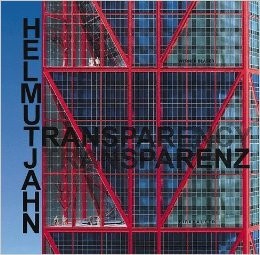
Helmut Jahn has given the use of steel and glass in architecture an exceptional technical and aesthetic articulation that is inseparably associated with the concept of transparency. Standing squarely in the tradition of the nineteenth century and yet interested in the continued development of innovative facade technologies, Jahn places the supporting steel structure of his buildings on the outside. At the same time he wraps his glass skin around a light and weightless interior that acquires a special force through effects of light and color. This creative intelligence of Helmut Jahn is one reason why he has become one of the most successful architects in recent decades. This new book by Werner Blaser presents projects by Helmut Jahn from the last twenty years. In them the transparency of built space is utilized as an architectural element so impressively that it can be said to show the new path for the further development of architecture in the next millennium.
Menrva's Summary
THE THESIS
Helmut Jahn's architectural innovations redefined the use of steel and glass, emphasizing transparency and innovative facade technologies. Werner Blaser's book explores the projects of Helmut Jahn over the last twenty years, showcasing how Jahn, standing in the tradition of 19th-century architecture, places the supporting steel structure externally while wrapping his buildings in a glass skin. This approach creates a light, weightless interior that gains force through light and color effects. Jahn's creative intelligence has made him one of the most successful architects, and this book presents his utilization of transparency as a key architectural element, suggesting a new direction for architecture in the coming millennium.
THE SCOPE MAP
- Exploration of Helmut Jahn's architectural projects from the last twenty years.
- Focus on the technical and aesthetic articulation of steel and glass in architecture.
- Analysis of Jahn's use of external steel structures and transparent glass facades.
- Discussion of the interplay of light and color within Jahn's designs.
- Presentation of transparency as a fundamental architectural element.
- Insights into Helmut Jahn's position as a leading contemporary architect.
- Consideration of Jahn's influence on the future development of architecture.
THE AUTHORITY PERSPECTIVE
This book by Werner Blaser presents a comprehensive look at Helmut Jahn's architectural contributions over two decades. The work highlights Jahn's distinctive approach to steel and glass, emphasizing transparency and innovative facade technologies. It positions Jahn as a highly successful architect whose creative intelligence has shaped modern design. The book suggests that Jahn's use of transparency as an architectural element points towards future directions in the field.
Page Count:
204
Publication Date:
1996-01-01
ISBN-10:
3764351543
Biography
Non-Fiction
History
Architecture
Community Tags
Similar Books