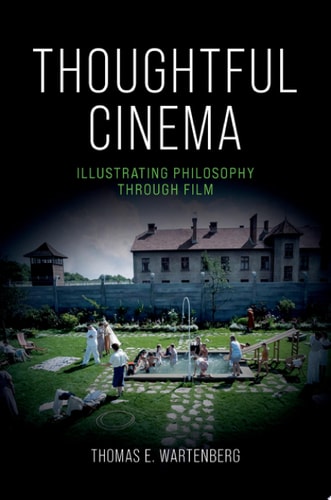
Thoughtful Cinema: Illustrating Philosophy Through Film
0
0
As an Amazon Associate and affiliate partner, Menrva Books earns from qualifying purchases. Learn more
Author Description
Thoughtful Cinema: Illustrating Philosophy Through Film Presents An Innovative Answer To The Question Of How Films Do Philosophy, A Hotly Debated Question Among Philosophers Of Film And Film Theorists. The Book Shows How An Innovative Theory Of Illustration Provides The Basis For Demonstrating Film's Ability To Do Philosophy. Examples Discussed In The Book Include The Recent Award-winning Film Poor Things As An Illustration Of John Locke's Theory Of Personal Identity And The Classic Japanese Film, Ikiru, As An Illustration Of Martin Heidegger's Claim That An Awareness Of Death Can Have A Significant Impact On The Life Of Human Beings. The Book Argues That, In Addition To Illustrating Philosophical Theories, Films Also Supplement Those Theories, Presenting Their Own Innovative Contributions To Philosophy. So, For Example, On The Basis Of Heidegger's Dualistic Account Of Death, Ikiru Provides Its Own Developmental Account In Which A Person Facing Death Achieves An Authentic Life Through Helping Others. Through Its Analysis Of Seven Exemplary Films, Thoughtful Cinema Demonstrates Films' Ability To Present Philosophical Views In A Manner Unique To The Cinematic Medium-- Provided By Publisher.
Menrva's Summary
THE THESIS
This book investigates the core question of how cinematic works function as a medium for philosophical inquiry and theoretical illustration. Thomas E. Wartenberg, a scholar in the philosophy of film, proposes an innovative theory of illustration to bridge the gap between traditional philosophical texts and visual storytelling. By analyzing seven specific films, the author argues that cinema does not merely reflect existing philosophical concepts but actively supplements them with unique, medium-specific contributions to the field.
THE SCOPE MAP
What You Will Find
- A theoretical framework for understanding how film performs philosophical work.
- Comparative analyses between classic philosophical texts and contemporary or classic cinema.
- Case studies including the film 'Poor Things' and Akira Kurosawa's 'Ikiru'.
- An exploration of how narrative structures in film provide developmental accounts of human existence.
THE AUTHORITY PERSPECTIVE
Experts in film philosophy recognize this work as a significant contribution to the ongoing debate regarding the intersection of visual media and abstract thought. The text is noted for its accessible yet rigorous approach, making it a valuable resource for both students of philosophy and film theorists.
Page Count:
216
Publication Date:
2025-10-03
Publisher:
Oxford University Press
ISBN-10:
0197793673
ISBN-13:
9780197793671
Philosophy
Politics
Non-Fiction
Media Theory
Aesthetics
Film Studies
Ethics & Morality
Community Tags
Similar Books