Author Description
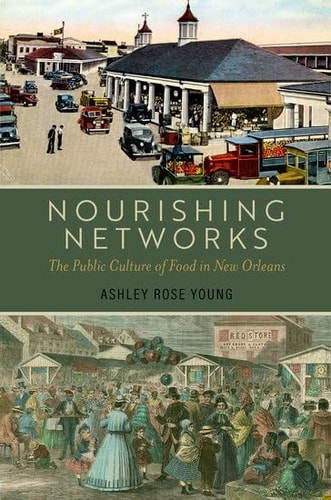
For much of the Crescent City's history, days began with the cries of roaming street vendors and the percussive thwack of butchers' meat cleavers echoing out from the municipal markets. Generations of New Orleanians--Black and white, enslaved and free, men and women, wealthy and working class--gathered in public to feed the city.In Nourishing Networks, historian Ashley Rose Young illuminates the central role of food in shaping the vibrant culture of New Orleans. While the city's dynamic culinary scene fostered bonds between some communities, under the surface, groups viciously vied for control over who bought and sold food and where they could do it. Young traces the intricate systems of food vendors and their customers, and how those relationships were affected by race, gender, ethnicity, and socioeconomic status. She shows how vendors and customers alike exercised considerable influence over the city's food economy and the laws that regulated it by negotiating prices, shaping taste preferences, liaising with government officials, and even openly defying ordinances they felt were unfair. The power each group gained and lost determined the success of their businesses, the well-being of their families, and their ability to shape food retail and local laws to meet their needs.Nourishing Networks vividly depicts a city that throughout its history has struggled to feed its population safely and affordably, and in documenting those challenges, it offers lessons for building a better food future.
Menrva's Summary
THE THESIS
How did the complex, often contentious, public food systems of New Orleans shape the city's social, economic, and political landscape over time? Historian Ashley Rose Young examines the evolution of municipal markets and street vending in the Crescent City, utilizing archival records to demonstrate how diverse populations—including enslaved people, free people of color, and immigrants—navigated power dynamics to influence urban food policy. Her research highlights the intersection of race, gender, and class within the marketplace, arguing that these interactions were fundamental to the city's development and governance.
THE SCOPE MAP
What You Will Find
- Historical analysis of municipal markets and street vending practices in New Orleans.
- Examination of how race, gender, and socioeconomic status influenced food retail and regulation.
- Case studies on how vendors negotiated with government officials and resisted unfair ordinances.
- Insights into the long-term challenges of urban food security and affordability.
THE AUTHORITY PERSPECTIVE
Scholars and historians recognize this work as a significant contribution to the study of urban food systems and the social history of the American South. Readers frequently note the depth of the archival research and the clarity with which the author connects historical market dynamics to broader themes of civic power and community agency.
Page Count:
320
Publication Date:
2025-10-31
Publisher:
Oxford University Press
ISBN-10:
0197794033
ISBN-13:
9780197794036
History
Food History
Social History
Urban Studies
American History
Americas
Community Tags
Similar Books