The Modern Middle East
0
0
As an Amazon Associate and affiliate partner, Menrva Books earns from qualifying purchases. Learn more
Author Description
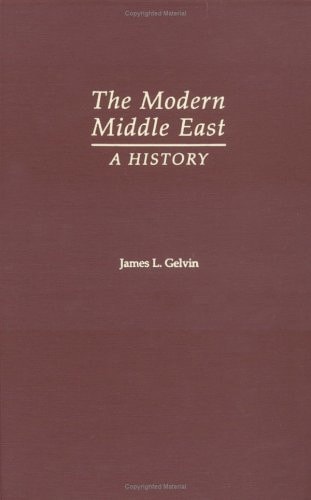
This Book Is About The Modern Middle East. Its Underlying Argument Is That The Eighteenth Century Marked A New Phase In The Evolution Of World History. Two Important Characteristics Distinguish Modern History: A World Economy Unlike Any That Had Existed Before And A World System Of Nation-states. On The One Hand, The Modern Period Marks The Emergence Of An Integrated World Market, Binding Together Nations In A Global Division Of Labor. On The Other Hand, During The Modern Period A New Form Of Political Association-the Nation-state-appears On The World Stage For The First Time, Spreads, And Achieves Primacy Worldwide. These Twin Systems Have Affected Economic, Social, Cultural, And Political Life Everywhere In Ways That Were Unprecedented In World History-- Provided By Publisher.
Menrva's Summary
THE THESIS
This book investigates the historical transformation of the Middle East by situating its development within the broader context of the emergence of a global economy and the nation-state system. James L. Gelvin, a professor of history specializing in the modern Middle East, utilizes a comparative framework to argue that the eighteenth century served as a critical turning point. He examines how the integration of global markets and the adoption of the nation-state model fundamentally reshaped the economic, social, and political structures of the region.
THE SCOPE MAP
What You Will Find
- Analysis of the transition from traditional imperial structures to modern nation-states.
- Examination of the integration of the Middle East into the global division of labor.
- Historical survey of economic and political shifts from the eighteenth century to the present.
- Theoretical framework regarding the impact of global systems on regional cultural and political life.
THE AUTHORITY PERSPECTIVE
Experts and educators frequently cite this work as a foundational text for students seeking a comprehensive introduction to the complexities of the modern Middle East. Readers often note that the prose is accessible yet rigorous, providing a clear analytical structure for understanding regional history within a global context.
Page Count:
0
Publication Date:
2025-01-01
Publisher:
New York : Oxford University Press,
ISBN-10:
019780019X
ISBN-13:
9780197800195
History
Economics
Middle East
World history
Nationalism
Islam And Politics
Secularism
Community Tags
Similar Books