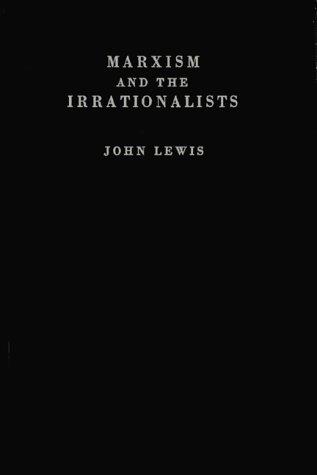
Marxism and the Irrationalists
0
0
As an Amazon Associate and affiliate partner, Menrva Books earns from qualifying purchases. Learn more
Author Description
NONE. Menrva holds no usable description for this book. Unless you genuinely and specifically know this published work, set sufficient_material=false. Do NOT infer a plot, characters, or contents from the title.
Menrva's Summary
THE THESIS
This book investigates the complex relationship between Marxist thought and various irrationalist philosophical and psychological currents of the late 19th and early 20th centuries. John F. Lewis, drawing on historical context and philosophical analysis, examines how Marxist thinkers grappled with, critiqued, or sometimes incorporated ideas that emphasized instinct, will, or subjective experience over rationalism. The work explores the intellectual tensions and dialogues that arose from this engagement, particularly concerning the nature of human motivation and social change.
THE SCOPE MAP
- Analysis of key irrationalist thinkers and their influence on Marxist discourse.
- Examination of specific Marxist responses to irrationalist philosophies.
- Exploration of the historical and intellectual context of these debates.
- Discussion of the implications for understanding historical materialism and revolutionary strategy.
THE AUTHORITY PERSPECTIVE
The book is likely to appeal to scholars and students of political theory, philosophy, and intellectual history. Its focus on the intersection of Marxism and irrationalism suggests a deep dive into complex theoretical arguments and historical context. The work probably offers a nuanced perspective on how Marxist thought evolved in response to challenges from non-rationalist perspectives, contributing to a richer understanding of the ideological landscape of the period.
Page Count:
141
Publication Date:
1973-01-01
ISBN-10:
083716494X
History
Non-Fiction
Philosophy
Political Theory
Community Tags
Similar Books