
Neuroeconomics
0
0
As an Amazon Associate and affiliate partner, Menrva Books earns from qualifying purchases. Learn more
Author Description
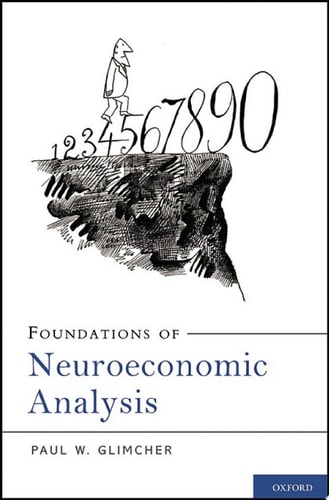
As Technology Has Opened New Windows Into The Brain, It Has Clarified What Happens There When People Make Decisions About Money. This Clarity Has Produced A New Science Called Neuroeconomics, Which Addresses Diverse Questions, Such As Why People Save, Buy Stocks, Steal, And Overspend. The Many Different Methods Used In Neuroeconomics Have, However, Often Yielded Unclear Findings About The Quality Of These Decisions, Primarily Because The Field Has Lacked Both Guidelines For Categorizing The Different Aspects Of Quality, And Guidelines For Selecting Methods To Study These Aspects. Before This Book, In Which Peter Politser Guides The Reader Through The Different Regions Of Study, There Was No Scientific Guide For Those Interested In Neuroeconomics. Politser Shows How To Evaluate Specific Elements Of Choice, Such As Regret, Expectation, Risk, Ambiguity, Time Preference, And Learning, And Surveys Economic And Behavioral Models Of Decision Making Skills. He Reviews The Neural Correlates Of Decisional Impairments And Inconsistenciesclarifying, For Example, Why We Do Not Recall What We Experience, Experience What We Expect, Or Like What We Want, And Provides Detailed Tables Of Decision-making Skills, Their Neural Correlates, And Possible Impairments. Politser Also Considers What The Field Of Neuroeconomics May Add To Future Conceptions Of Decision Making, And Outlines The Limitations Of Various Studies Of Different Capacities. He Then Introduces A Broader Field For The Design And Interpretation Of Neuroeconomic Studiesa Neuroepidemiology Of Decision Making. Everyone Who Wants To Understand The Research In Neuroeconomics Or Use Its Methods Should Read This Book. Its Accessible Text, Along With An Extensive Glossary, Will Guide Those With Little Economic Or Neuroscience Background, And Make The Book An Excellent Supplement For Courses On Neuroscience And Decision Making.
Menrva's Summary
THE THESIS
This book investigates the foundational challenges of neuroeconomics by establishing a systematic framework for evaluating decision-making quality and selecting appropriate research methodologies. Peter Politser, drawing on his expertise in the intersection of brain science and economic behavior, addresses the field's historical lack of standardized guidelines. He provides a comprehensive structure for analyzing how neural processes influence financial choices, ranging from saving habits to impulsive overspending. By integrating economic models with neural correlates, the author creates a roadmap for future research and clinical interpretation.
THE SCOPE MAP
What You Will Find
- A detailed taxonomy of decision-making elements including risk, regret, expectation, and time preference.
- A review of neural correlates associated with specific decisional impairments and cognitive inconsistencies.
- A proposed framework for a neuroepidemiology of decision making to guide future study design.
- Extensive tables mapping cognitive skills to their corresponding brain regions and potential functional deficits.
THE AUTHORITY PERSPECTIVE
Experts and students alike identify this work as a critical reference for navigating the interdisciplinary complexities of neuroeconomics. Readers frequently note that the text remains accessible to those without deep backgrounds in either economics or neuroscience while providing sufficient rigor for academic application.
Page Count:
240
Publication Date:
2008-01-01
Publisher:
Oxford University Press
ISBN-10:
0198041683
ISBN-13:
9780198041689
Psychology
Science
Economics
Decision Making
Neuroscience
Community Tags
Other Editions(2)

Similar Books









Reader Comments
Share Your Thoughts
No comments yet. Be the first to share your thoughts!