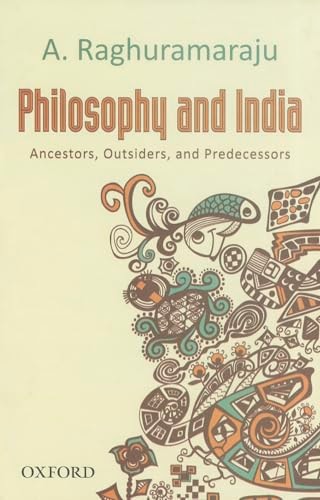
Philosophy and India: Ancestors, Outsiders, and Predecessors
0
0
As an Amazon Associate and affiliate partner, Menrva Books earns from qualifying purchases. Learn more
Author Description
This book critically assesses the contributions of the country's leading academic philosophers by analysing the strengths and limitations that characterize the practice of philosophy in India. It focuses on their discussions of modernity, colonialism, classical Indian philosophy, and modern Western philosophy. Divided into three sections, the first discusses the works of Krishna Chandra Bhattacharyya and Akeel Bilgrami, and their project of offering Indian solutions to Western philosophical problems. The second part deals with Daya Krishna's attempts to engage traditional Indian philosophy in a dialogue with Western philosophy and Satchidananda Murty's assessment of the state of philosophy in Indian universities. The author argues how both failed to look at the works of Vivekananda, Aurobindo, and Gandhi, who had more successfully engaged with their predecessors as well as 'outsiders'. Finally, the book explores the attempts to absorb Buddhism into Hinduism in the works of Ananda K. Coomaraswamy and S. Radhakrishnan, as well as the counter arguments posed by Ambedkar and T.R.V. Murty. The debates highlighted in this book will make the reader aware of the structures and paradigms of philosophy as practised in India.
Menrva's Summary
THE THESIS
This book investigates the structural limitations and methodological paradigms that have defined the practice of academic philosophy in India throughout the modern era. Author A. Raghuramaraju, a scholar of Indian philosophy, utilizes a critical comparative framework to evaluate how Indian thinkers have engaged with both indigenous traditions and Western philosophical imports. By analyzing the works of prominent intellectuals, the text argues that academic philosophy in India has often overlooked the more successful integrative approaches of figures like Gandhi and Vivekananda in favor of narrower institutional projects.
THE SCOPE MAP
What You Will Find
- Comparative analysis of 20th-century Indian philosophers including Krishna Chandra Bhattacharyya, Akeel Bilgrami, Daya Krishna, and Satchidananda Murty.
- Examination of the intellectual tension between traditional Indian philosophy and Western modernity.
- Critical review of the historical attempts to synthesize or absorb Buddhist thought into Hindu frameworks.
- Assessment of the institutional state of philosophy within Indian universities and the role of colonial-era intellectual legacies.
THE AUTHORITY PERSPECTIVE
Scholars in the field recognize this work as a significant contribution to the historiography of Indian philosophy, particularly for its focus on the institutional blind spots of the 20th century. Readers frequently note the academic density of the prose, which is best suited for those already familiar with the primary texts of the philosophers discussed.
Page Count:
162
Publication Date:
2014-01-01
Publisher:
Oxford University Press
ISBN-10:
0198092237
ISBN-13:
9780198092230
Philosophy
Indian philosophy
Buddhist Philosophy
Academic
Community Tags
Similar Books