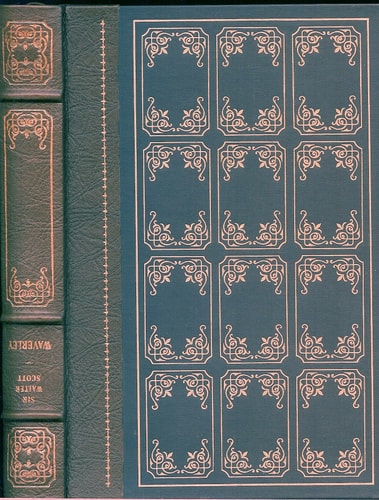
Waverley: or, 'Tis Sixty Years Since
0
0
As an Amazon Associate and affiliate partner, Menrva Books earns from qualifying purchases. Learn more
Author Description
Edward Waverley is a young, cultured man whose sensibilities lead to his involvement in the Jacobite Rising of 1745. In his journey into Scotland, down to Derby, and back up again he explores the cultural and political geography of Great Britain. Waverley; or, 'tis Sixty Years Since was Scott's first novel, but like its final chapter, 'A Postscript, which should have been a Preface', it appears as one of the last in this series, so that the full weight of experience gained from editing Scott's fiction can be brought to understanding his most influential novel, the one which gave its name to the Waverley Novels. To this edition, P. D. Garside brings new insights and new information, and he establishes a text which is significantly different from its predecessors.
Menrva's Summary
THE PULSE
Edward Waverley, a young officer in the British army, finds his loyalties fractured when he becomes entangled in the Jacobite Rising of 1745. Driven by romantic ideals and a fascination with the Highland culture of Scotland, Waverley abandons his post to join the cause of the Young Pretender. He faces the physical dangers of civil war and the logical conflict of choosing between his duty to the Crown and his personal affinity for the rebels. The narrative unfolds through a third-person perspective that balances the protagonist's internal growth with the broader political shifts of the era.
INSIDE THE PAGES
- Detailed descriptions of the Scottish Highlands and Lowlands
- Exploration of the clash between traditional clan culture and modern British statehood
- Use of historical figures and events to ground the fictional narrative
- Focus on the psychological development of a young man caught between two worlds
- Incorporation of regional dialects and cultural customs
- Examination of the romanticized view of the past versus the reality of political conflict
- Pacing that shifts from leisurely character study to the urgency of military campaign
- Integration of themes regarding honor, loyalty, and national identity
THE COLLECTIVE ECHO
Readers and critics frequently highlight this work as the foundational text for the modern historical novel. Discussion often centers on Scott's ability to render the landscape and social customs of 18th-century Scotland with vivid, immersive detail. While some modern readers find the pacing deliberate, many appreciate the balance between the protagonist's personal development and the sweeping political stakes of the Jacobite Rising. The text is widely recognized for its influence on the genre, establishing conventions for how historical events are dramatized through fictional characters. Scholars often point to the novel's nuanced portrayal of cultural transition as a primary reason for its enduring significance in literary studies.
Page Count:
470
Publication Date:
1981-06-11
Publisher:
Oxford University Press
ISBN-10:
0198126433
ISBN-13:
9780198126430
Adventure
Romance
Scotland
classic
Political
Historical
Community Tags
Similar Books