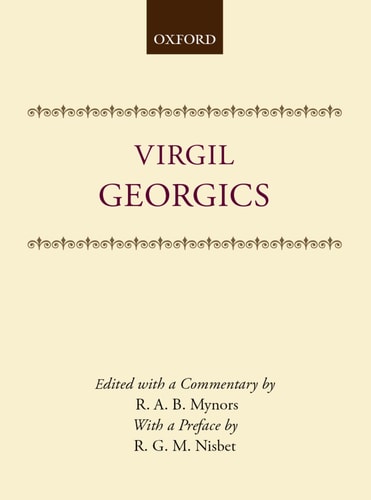
Georgics
0
0
As an Amazon Associate and affiliate partner, Menrva Books earns from qualifying purchases. Learn more
Author Description
Virgil's Georgics, considered to be one of the great poems of Western literature, is ostensibly a didactic poem on agriculture. Challenging this idea, the late Sir Roger Mynors argues that the poem's true subject is humanity and its place in nature and society. The poem is also a landmark in the use of the natural world as material for literature and of special interest because the poet draws not only on his own experience but also on his wide reading of Greek poetry. This commentary examines Virgil's meaning and choice of expression to provide a fuller understanding of the poetry.
Menrva's Summary
THE PULSE
Virgil’s Georgics presents a complex meditation on the relationship between human labor and the natural world, framed as a didactic guide to agriculture. The poet navigates the tension between the necessity of farming and the inherent unpredictability of nature, using the agricultural cycle as a metaphor for human existence. Through a structured, four-part poetic framework, the work explores the struggle to impose order upon the land while acknowledging the limitations of human control. The narrative voice shifts between practical instruction and philosophical reflection, grounding the reader in the physical realities of Roman life while elevating the subject to a universal inquiry into society and the environment.
INSIDE THE PAGES
- Didactic poetic structure focusing on agricultural techniques
- Integration of Greek literary traditions and influences
- Use of the natural world as a primary symbolic material
- Philosophical examination of humanity's place in the ecosystem
- Detailed descriptions of seasonal cycles and rural labor
- Stylistic precision in the choice of poetic expression
- Exploration of the tension between order and chaos in nature
- Commentary on the social and political implications of land management
THE COLLECTIVE ECHO
Discussion often centers on the dual nature of the text as both a practical manual and a profound philosophical work. Readers frequently highlight the technical mastery of Virgil’s verse and his ability to elevate mundane agricultural tasks into a broader meditation on the human condition. Critics often examine the influence of Greek predecessors on the poem’s structure and thematic depth. The work remains a focal point for scholars interested in how classical literature utilizes the natural environment to reflect societal values and personal experience.
Page Count:
440
Publication Date:
1994-06-02
Publisher:
Clarendon Press
ISBN-10:
0198149786
ISBN-13:
9780198149781
Nature
Classics
Poetry
Philosophy
Agriculture
Virgil
Community Tags
Other Editions(11)
CreateSpace Independent Publishing Platform
2017
Default edition
Independently Published
2017
Oxford University Press
2009
OUP Oxford
2006
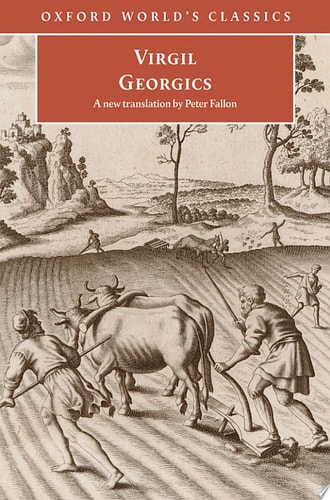
Oup Oxford
2006
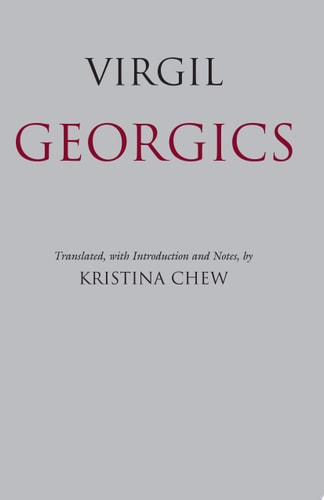
Hackett Publishing
2002
Clarendon Press
1994
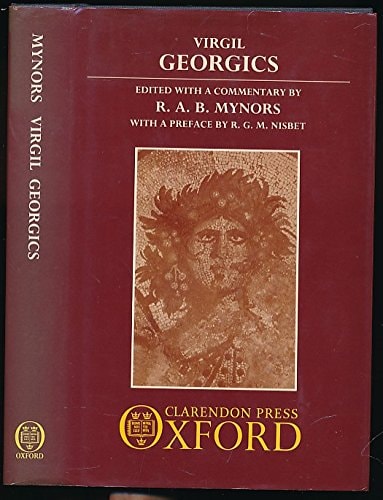
Oxford University Press
1990

Foundation for Classical Reprints
1988

Foundation for Classical Reprints
1986

American Classical College Press
1985
Similar Books


Reader Comments
Share Your Thoughts
No comments yet. Be the first to share your thoughts!