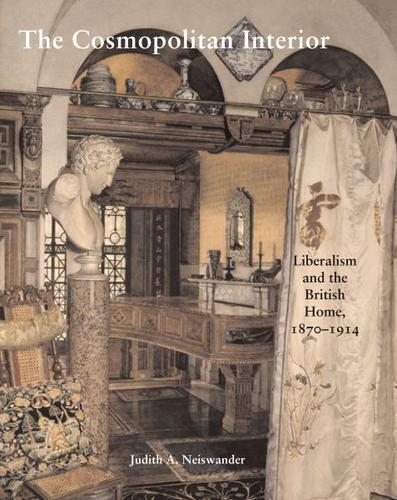
The Cosmopolitan Interior
0
0
As an Amazon Associate and affiliate partner, Menrva Books earns from qualifying purchases. Learn more
Author Description
Literature on domestic interior decoration first emerged as a popular genre in Britain during the 1870s and 1880s, as middle-class readers sought decorating advice from books, household manuals, women's magazines, and professional journals. This intriguing book examines that literature and shows how it was influenced by the widespread liberalism of the middle class.Judith Neiswander explains that during these years liberal values - namely, individuality, cosmopolitanism, scientific rationalism, the progressive role of the elite, and the emancipation of women - informed advice about the desirable appearance of the home. In the period preceding the First World War, these values changed dramatically: advice on decoration became more nationalistic in tone and a new goal was set for the interior: "to raise the British child by the British hearth". Neiswander traces this evolving discourse within the context of current writing on interior decoration, writing that is much more detached from social and political issues of the day.
Menrva's Summary
THE THESIS
This book investigates the evolution of domestic interior decoration advice in Britain from the late Victorian era through the period preceding World War I, examining how liberal values shaped and were subsequently altered by societal changes. Judith Neiswander analyzes the literature of the time, including books, manuals, and magazines, to demonstrate how concepts such as individuality, cosmopolitanism, scientific rationalism, elite progressivism, and women's emancipation influenced decorating trends. The study highlights a significant shift in tone and purpose before World War I, where advice became more nationalistic, aiming to instill British identity through the home environment. Neiswander contrasts this with later writings that appear more detached from the social and political contexts of their time.
THE SCOPE MAP
- Analysis of popular literature on domestic interior decoration from the 1870s to the early 1900s.
- Exploration of the influence of middle-class liberalism on decorating advice.
- Examination of specific liberal values: individuality, cosmopolitanism, scientific rationalism, elite progressivism, and women's emancipation.
- Tracing the shift in decorating discourse towards nationalism before World War I.
- Discussion of the changing goal of interior decoration, from personal expression to national identity building.
- Comparison of pre-WWI decorating advice with later, more socially detached writings.
- Focus on the British context for domestic interior design trends.
THE AUTHORITY PERSPECTIVE
The Authority Perspective: This book is recognized for its detailed examination of the literature surrounding domestic interior decoration in Britain during a transformative period. It is noted for its insightful analysis of how prevailing social and political ideologies, particularly middle-class liberalism, were reflected and adapted within the discourse on home design. The work effectively traces the evolution of these ideas, highlighting the shift from individualistic expression to nationalistic sentiment in the years leading up to World War I, offering a nuanced perspective on the relationship between cultural values and domestic aesthetics.
Page Count:
216
Publication Date:
2008-01-01
ISBN-10:
0300124902
ISBN-13:
9780300124903
Non-Fiction
History
Cultural History
Victorian Era
Edwardian Era
Social History
Community Tags
Similar Books