The Five Crows Ledger
0
0
As an Amazon Associate and affiliate partner, Menrva Books earns from qualifying purchases. Learn more
Author Description
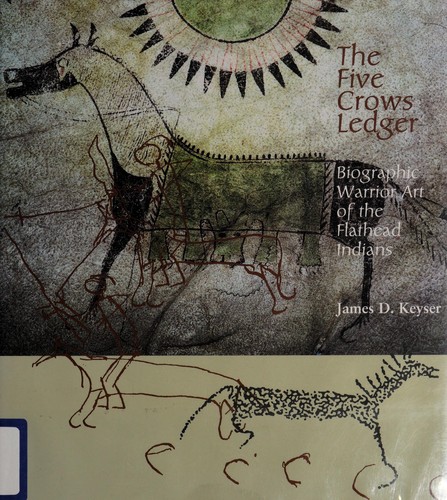
Ledger art derives from Plains Indian Biographic art, which recorded actual events important in the lives of individuals and groups, usually as naturalistic action scenes composed primarily of horses, humans, weapons, and tipis. The earliest surviving expressions of Northern Plains ledger art were drawn in 1834 by the Mandan warriors Four Bears and Yellow Feather (encouraged by George Catlin and Karl Bodmer), but ledger art did not become commonplace on the Plains until after 1860. The earliest drawings remain relatively unknown; some have been lost, while a few still exist in various archives. One of these is the "Five Crows Ledger," a series of thirteen drawings collected, described, and annotated by Fr. Pierre-Jean De Smet during his missionary work to the Flathead Indians of western Montana from 1841 to 1847. Deposited in a Jesuit archive for more than one hundred and fifty years, it was rediscovered in the early 1990s.--BOOK JACKET.
Menrva's Summary
THE THESIS
The Five Crows Ledger offers a rare glimpse into the visual narratives of Plains Indian Biographic art, specifically through a collection of thirteen drawings from the mid-19th century. This book details the origins and significance of ledger art, a practice that recorded actual events in the lives of individuals and groups, primarily featuring horses, humans, and tipis. The Five Crows Ledger, rediscovered in the 1990s after over 150 years in a Jesuit archive, was collected and annotated by Fr. Pierre-Jean De Smet during his missionary work with the Flathead Indians in western Montana between 1841 and 1847.
THE SCOPE MAP
- What You Will Find:
- The historical context and evolution of Plains Indian Biographic art.
- Detailed analysis and description of the thirteen drawings within the Five Crows Ledger.
- Information on the collection and annotation of the ledger by Fr. Pierre-Jean De Smet.
- The rediscovery of the ledger and its archival history.
- The cultural and historical significance of ledger art as a form of visual storytelling.
THE AUTHORITY PERSPECTIVE
The Authority Perspective: This work provides a scholarly examination of a significant historical art collection, offering insights into Plains Indian culture and artistic traditions. The book's focus on the Five Crows Ledger, as documented by Fr. Pierre-Jean De Smet, positions it as a valuable resource for historians and art scholars interested in indigenous visual narratives. Its rediscovery and detailed analysis contribute to a deeper understanding of the practice of ledger art.
Page Count:
128
Publication Date:
2000-01-01
ISBN-10:
0874806593
ISBN-13:
9780874806595
Biography
Art
History
Science
Non-Fiction
Art History
Indigenous Art
Community Tags
Similar Books