Surrey
0
0
As an Amazon Associate and affiliate partner, Menrva Books earns from qualifying purchases. Learn more
Author Description
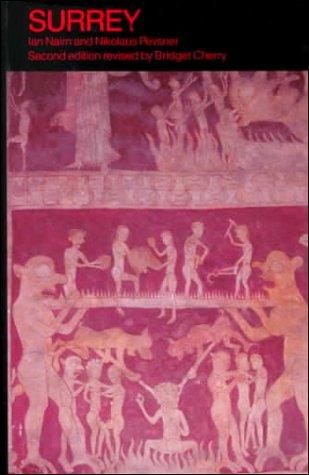
Surrey's architecture is a constantly surprising mix of the rural and urban with many of its most important buildings, such as the seventeenth-century Ham House, found amongst the outgrowth of London itself. The landscape gardens of Painshill and Claremont attest to Surrey's popularity in the eighteenth century and the county's enthusiasm for follies and remarkable garden buildings. More recent architecture includes notable early works by Lutyens, with gardens by Gertrude Jekyll, inspired by the rich stock of late medieval farmhouses and tile-hung cottages in the county's southern villages. Among interwar suburban housing there are some exceptional Modernist homes, such as The Homewood by Patrick Gwynne. Church architecture in Surrey includes work by all of the great names of the Gothic Revival; not least of its surprises is the luminous and spacious interior of Guildford Cathedral.
Menrva's Summary
THE THESIS
THE THESIS
This book investigates the architectural evolution and diversity of Surrey, England, tracing its development from rural origins to urban influence and highlighting significant periods and styles. Nikolaus Pevsner, a renowned architectural historian, draws upon extensive knowledge to detail the county's rich architectural heritage. The work examines a broad spectrum of structures, from grand country houses and influential landscape gardens to notable early 20th-century homes and significant ecclesiastical buildings. It presents a comprehensive survey of Surrey's built environment, showcasing its unique blend of historical styles and modern innovations.
THE SCOPE MAP
- What You Will Find:
- Architectural survey of Surrey, England
- Analysis of historical periods including 17th-century country houses, 18th-century landscape gardens, and interwar suburban housing
- Notable works by architects such as Lutyens and Patrick Gwynne, and garden designs by Gertrude Jekyll
- Examination of church architecture, including the Gothic Revival and Guildford Cathedral
- Discussion of the interplay between urban expansion and rural architectural traditions
THE AUTHORITY PERSPECTIVE
Nikolaus Pevsner's 'Surrey' is regarded as a foundational text within architectural history, particularly for its detailed and authoritative survey of the county's built environment. The book is praised for its meticulous cataloging of significant structures and its insightful analysis of architectural styles across different eras. Its comprehensive scope, covering everything from grand estates to ecclesiastical buildings and early modernist homes, makes it an invaluable resource for historians, architects, and enthusiasts alike. The work stands as a testament to Pevsner's scholarly rigor and his ability to illuminate the architectural narrative of a specific region.
Page Count:
608
Publication Date:
1971-01-01
ISBN-10:
0300096755
ISBN-13:
9780300096750
Travel
Non-Fiction
History
Architecture
Community Tags
Similar Books