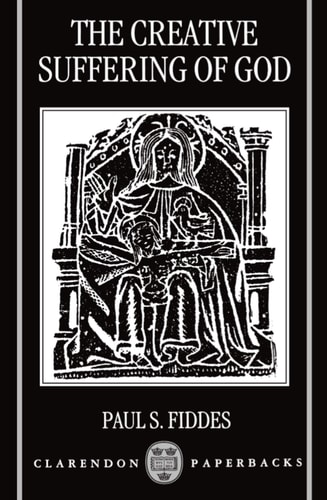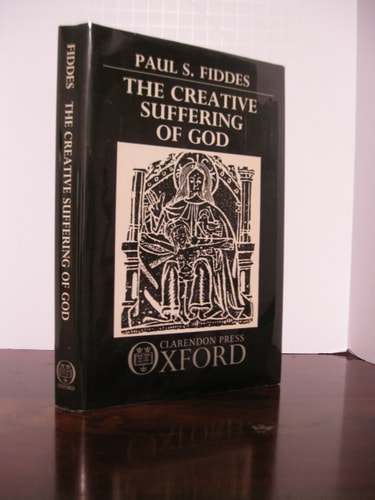
The Creative Suffering of God
0
0
As an Amazon Associate and affiliate partner, Menrva Books earns from qualifying purchases. Learn more
Author Description
The theme that God suffers with his world has become a familiar one in recent years, overturning centuries of belief in an impassible deity. This book both surveys recent thought about the suffering of God and proposes future directions for this important area of Christian theology. Fiddes discusses four trends of current thought--the "theology of the cross" in modern German theology as represented in the works of Barth, Moltmann, and Jüngel; American process theology; "the death of God" theology; and the rejection of the idea of divine passibility by modern followers of classical theism--while reflecting on the main theme of his study. The book affirms that God freely chooses to limit himself, to suffer change, to journey through time, and even to experience death while remaining the living God.
Menrva's Summary
THE THESIS
This book investigates the theological paradox of a deity who experiences suffering and change while maintaining divine sovereignty. Paul S. Fiddes, a prominent theologian, examines the shift from the classical view of an impassible God to a contemporary understanding of a God who participates in the pain of the world. He constructs a framework that reconciles divine freedom with the voluntary limitation of God, arguing that suffering is not a contradiction of divinity but an expression of it.
THE SCOPE MAP
What You Will Find
- Analysis of the theology of the cross in German thought, specifically the works of Barth, Moltmann, and Jüngel.
- Evaluation of American process theology and its implications for divine nature.
- Examination of the death of God theology and its impact on modern religious discourse.
- A constructive argument for a God who chooses to experience time, change, and death.
THE AUTHORITY PERSPECTIVE
Scholars and theologians frequently cite this work as a foundational text for understanding the development of modern divine passibility theories. Readers often note the academic density of the prose, which requires a strong background in systematic theology to fully grasp the nuanced arguments presented.
Page Count:
296
Publication Date:
1988-06-02
Publisher:
Oxford University Press
ISBN-10:
0198266863
ISBN-13:
9780198266860
Religion
Christian Theology
Systematic Theology