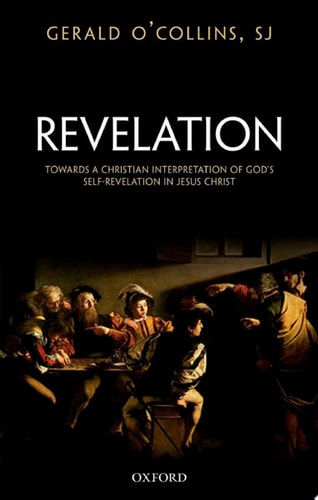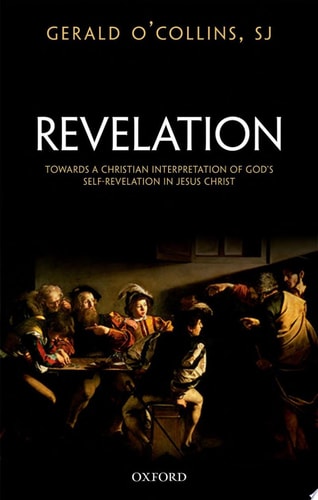
Revelation: Towards a Christian Theology of God's Self-Revelation
0
0
As an Amazon Associate and affiliate partner, Menrva Books earns from qualifying purchases. Learn more
Author Description
Since The Late 1980s The Theme Of God's Self-revelation Has Been Treated Only Briefly In Christian Theology, At Times Simply Ignored, And Often Confused With Biblical Inspiration. Revelation: Towards A Christian Theology Of God's Self-revelation Lays Out Its Basic Characteristics, And Begins By Distinguishing Between Revelation In The Primary Sense (a Living Encounter With God's Self-disclosure) And In The Secondary Sense (statements Of Faith Derived From That Encounter, Or 'propositional' Revelation). It Considers Revelation As Transforming And Informing, As Being 'sacramental' Or Mediated Through Words And Deeds, As Communicated Through An Endless Variety Of Means And Mediators, As Related To But Distinct From Biblical Inspiration And Truth, And As Reaching Those Of 'other' Faiths Or Of No Faith At All. Gerald O'collins Skilfully Distinguishes Between Past (or 'foundational') Revelation, Present (or 'dependent') Revelation, And Future (or 'eschatological') Revelation. He Expounds With Ecumenical Sensitivity The Complex Relationship Between Tradition And Scripture. O'collins Moves Into Controversial Areas By Insisting That The Divine Self- Revelation Takes Place Only When Received By Human Faith And That 'outside Revelation There Is No Salvation (extra Revelationem Nulla Salus'). This Volume Offers A Coherent Account Of God's Self-revelation, Which Can Serve As A Basis For All That Follows In Theology And For Dialogue With Those Who Follow 'other' Living Faiths Or None At All. O'collins Extends And Enriches What He Has Proposed In Earlier Books And Articles About The Characteristics Of God's Self-revelation.
Menrva's Summary
THE THESIS
This work investigates the fundamental characteristics of God's self-revelation and its essential role as the foundation for Christian theology. Gerald O'Collins, a prominent theologian, utilizes historical analysis and ecumenical dialogue to distinguish between primary living encounters with the divine and secondary propositional statements of faith. He argues that revelation is a transformative, mediated process that requires human reception through faith to be fully realized.
THE SCOPE MAP
What You Will Find
- A distinction between foundational, dependent, and eschatological revelation.
- An analysis of the relationship between tradition and scripture.
- A theological framework for understanding revelation in the context of other faiths.
Scope Limits
- The text does not provide a comprehensive history of biblical criticism.
- It does not focus on practical pastoral application outside of theological discourse.
THE AUTHORITY PERSPECTIVE
Scholars and theologians frequently identify this text as a significant contribution to systematic theology, particularly for its clarity in addressing the often-confused relationship between revelation and biblical inspiration. Readers often note the academic density of the prose, which is intended for those already familiar with foundational theological concepts.
Page Count:
232
Publication Date:
2016-01-01
Publisher:
Oxford University Press
ISBN-10:
0191086991
ISBN-13:
9780191086991
Religion
Systematic Theology
Christian Theology
Philosophy of
Community Tags
Similar Books