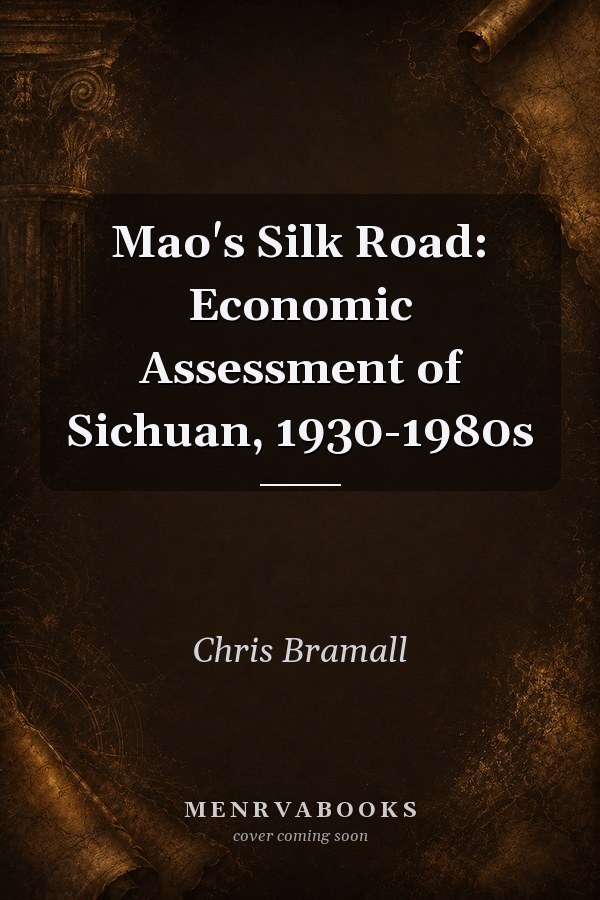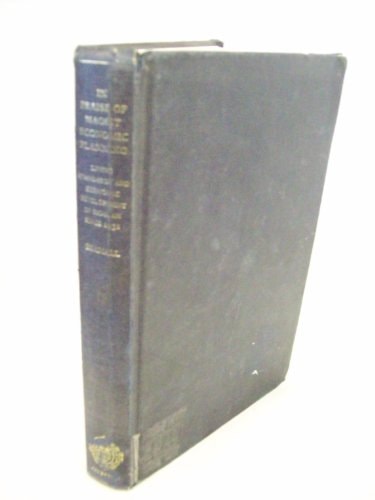
In Praise of the Maoist Economic Planning: Living Standards and Economic Development in Sichuan since 1931
0
0
As an Amazon Associate and affiliate partner, Menrva Books earns from qualifying purchases. Learn more
Author Description
How much of the economics from the Maoist era in China is clear to Westerners? This work contributes to a better understanding of this through an evaluation of the economic development in China's most populous province, from the mid-1920s to the liberalization program initiated in 1978. Few works have dealt with this timespan, and Bramall deals with this complex and controversial subject effectively and objectively.
Menrva's Summary
THE THESIS
This book investigates the efficacy and impact of Maoist economic planning on living standards and development within Sichuan province from 1931 to 1978. Chris Bramall, a specialist in the Chinese economy, utilizes provincial-level data and historical records to challenge common Western perceptions regarding the stagnation of the Maoist era. By focusing on Sichuan, the author constructs a detailed framework to evaluate how centralized planning influenced regional growth, resource allocation, and the material well-being of the population during a period of significant political transformation.
THE SCOPE MAP
What You Will Find
- Longitudinal analysis of economic development in Sichuan province from 1931 through the 1978 liberalization.
- Quantitative evaluation of living standards, including caloric intake, health outcomes, and industrial output.
- Comparative methodology contrasting pre-revolutionary conditions with the outcomes of the Great Leap Forward and subsequent planning phases.
- Critical assessment of the successes and failures of centralized command economics in a rural, populous context.
THE AUTHORITY PERSPECTIVE
Experts recognize this work as a rigorous contribution to the study of regional Chinese economic history, noting its objective approach to a highly polarized subject. Scholars frequently cite the book for its detailed empirical data, which provides a necessary counterpoint to broader, often generalized, narratives about the Maoist period.
Page Count:
408
Publication Date:
1993-01-01
Publisher:
Oxford University Press
ISBN-10:
0198287909
ISBN-13:
9780198287902
Economics
History
China
Famines
Community Tags
Similar Books