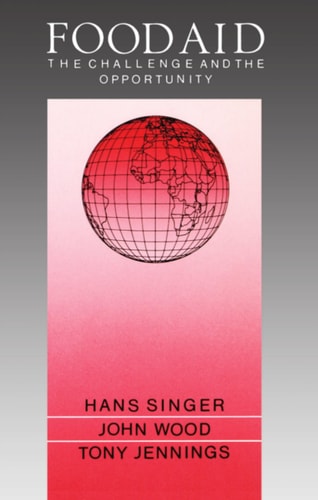
Food Aid: The Challenge and the Opportunity
0
0
As an Amazon Associate and affiliate partner, Menrva Books earns from qualifying purchases. Learn more
Author Description
Food aid, which has played a key role in responding to the crises afflicting millions of people in developing countries, is the focus of much political discussion, both nationally and internationally. While it has achieved notable successes, there is still doubt and criticism regarding the appropriateness of food aid, and confusion about the deep-rooted problems which perpetuate these calamities. This book provides a lucid discussion of the central issues involved, presenting a balanced assessment of the uses and misuses of food aid and relating these to the complex realities of the international economy.
Menrva's Summary
THE THESIS
This book investigates the efficacy, ethical implications, and systemic challenges of international food aid programs in developing nations. The authors, Hans Wolfgang Singer, John Halsey Wood Jr., and Tony Jennings, utilize their expertise in development economics and international policy to evaluate the historical performance of aid initiatives. They argue that while food aid serves as a critical buffer during humanitarian crises, its long-term impact is often undermined by structural economic imbalances and political mismanagement. The text provides a framework for understanding how aid can be better integrated into sustainable development strategies rather than acting as a temporary, and sometimes counterproductive, fix.
THE SCOPE MAP
What You Will Find
- Analysis of the historical role of food aid in global crisis response.
- Evaluation of the economic impact of food aid on local agricultural markets in developing countries.
- Assessment of the political motivations behind international aid distribution.
- Discussion of the systemic problems that perpetuate food insecurity and dependency.
THE AUTHORITY PERSPECTIVE
Experts recognize this work as a balanced, foundational text for understanding the complexities of humanitarian logistics and international economic policy. Readers frequently note the clarity of the authors' arguments, which successfully navigate the tension between immediate relief efforts and long-term development goals.
Page Count:
264
Publication Date:
1987-10-08
Publisher:
Clarendon Press
ISBN-10:
0198285183
ISBN-13:
9780198285182
Economics
Food Relief
International relations
Public Policy
Community Tags
Similar Books