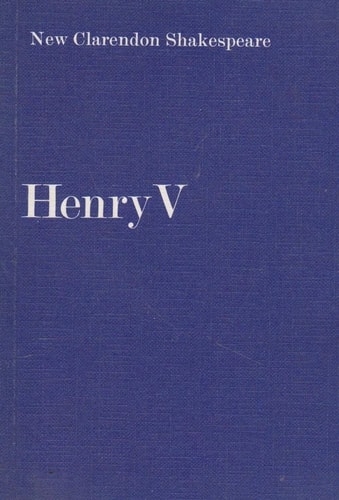
Henry V
0
0
As an Amazon Associate and affiliate partner, Menrva Books earns from qualifying purchases. Learn more
Author Description
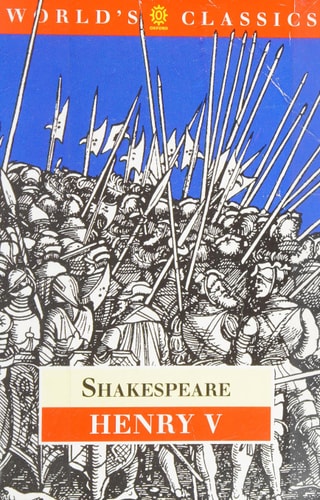
Henry V is Shakespeare’s most famous “war play”; it includes the storied English victory over the French at Agincourt. Some of it glorifies war, especially the choruses and Henry’s speeches urging his troops into battle. But we also hear bishops conniving for war to postpone a bill that would tax the church, and soldiers expecting to reap profits from the conflict. Even in the speeches of Henry and his nobles, there are many chilling references to the human cost of war.
Menrva's Summary
THE PULSE
King Henry V prepares to invade France to claim the throne, leading his outnumbered English army toward the decisive Battle of Agincourt. The protagonist seeks to solidify his legitimacy as monarch while navigating the heavy moral burden of leadership and the brutal realities of military conquest. Opposing him are the French nobility and the internal dissent of his own soldiers, who grapple with the ethics of the conflict. The narrative unfolds through a mix of heroic verse, political maneuvering, and gritty, ground-level perspectives on the human cost of war.
INSIDE THE PAGES
- Use of a Chorus to frame the narrative and bridge temporal gaps
- Shifts between high-stakes political rhetoric and common soldier dialogue
- Exploration of the 'just war' theory and moral ambiguity
- Focus on the psychological transformation of a young king
- Inclusion of iconic speeches designed to inspire and unify troops
- Contrast between the grandeur of royalty and the squalor of the battlefield
- Examination of the economic and religious motivations behind state conflict
- Use of prose and blank verse to distinguish social classes
THE COLLECTIVE ECHO
Discussion often centers on the duality of the play, which functions simultaneously as a patriotic celebration and a cynical critique of military aggression. Readers frequently highlight the complexity of Henry V as a character, noting how his pragmatic leadership style invites both admiration and discomfort. Critics often point to the contrast between the stirring, idealized speeches and the grim, realistic depictions of the soldiers' experiences. The work remains a focal point for debates regarding the glorification of conflict versus the acknowledgment of its inherent human suffering. Many scholars emphasize that the play's effectiveness lies in its refusal to provide a singular, comfortable moral conclusion.
Page Count:
192
Publication Date:
1976-01-01
Publisher:
Oxford University Press
ISBN-10:
0198319282
ISBN-13:
9780198319283
Drama
English literature
Shakespeare plays texts
War
Historical
English
Plays
classic