Alhambra
0
0
As an Amazon Associate and affiliate partner, Menrva Books earns from qualifying purchases. Learn more
Author Description
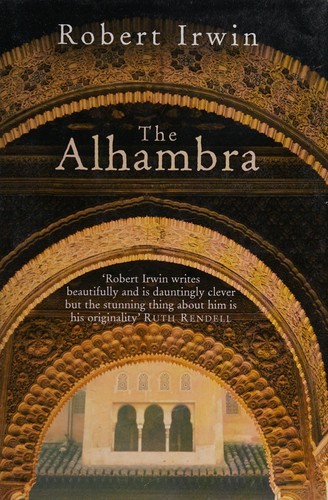
The Alhambra is the only Muslim palace to have survived from the Middle Ages. Built by a bloody and threatened dynasty of Muslim Spain, it was preserved as a monument to the triumph of Christianity. Every day tourists in their thousands are entranced by its superb site, its towers and courts, its fountained gardens, its honeycombed ceilings and its intricate tile work. Much of what they see is the invention of later generations. Its highly sophisticated decoration is not just random but full of hidden meaning. Its most magnificent buildings were designed not by architects, but by philosophers and poets. It is a place of many mysteries. Even its purpose is not always clear. The Alhambra, which resembles a fairy tale palace, was constructed by slave labour in an era of economic decline, plague and political violence. Its beautifully decorated halls witnessed many murders. The Alhambra's influence on art, and on literature, Orientalist painting and Granada cinemas, Washington Irving and Borges, has been significant. Robert Irwin helps us to understand that story fully.
Menrva's Summary
THE THESIS
The Alhambra stands as a singular testament to medieval Islamic architecture, a palace that survived centuries of conflict and cultural shifts to become a celebrated monument. Built by a dynasty in peril, its history is a complex narrative of preservation, adaptation, and hidden meanings, with its most exquisite features conceived by thinkers and poets rather than mere builders. The palace, often perceived as a fairy tale edifice, was constructed amidst hardship, utilizing slave labor during times of economic depression, plague, and political upheaval, and its opulent halls bore witness to numerous violent events. Its enduring legacy is evident in its significant influence on art, literature, and even popular culture.
THE SCOPE MAP
- The historical context of the Alhambra's construction by a threatened dynasty in Muslim Spain.
- The preservation of the palace as a monument to the triumph of Christianity.
- Analysis of the palace's superb site, towers, courts, gardens, ceilings, and tile work.
- Exploration of the hidden meanings within the sophisticated decoration.
- The role of philosophers and poets in designing its most magnificent buildings.
- The construction of the palace using slave labor during an era of economic decline, plague, and political violence.
- The influence of the Alhambra on art, literature, Orientalist painting, and cultural figures like Washington Irving and Borges.
THE AUTHORITY PERSPECTIVE
The book is recognized for its deep dive into the history and artistry of the Alhambra, offering insights into its complex construction and symbolic decorations. It addresses the paradox of its survival and transformation from a Muslim palace to a Christian monument. The work is noted for exploring the hidden meanings within its design and the significant cultural impact it has had across various art forms and literature. Irwin's analysis aims to fully illuminate the multifaceted story of this unique historical site.
Page Count:
214
Publication Date:
2004-01-01
ISBN-10:
1861974124
Non-Fiction
History
Architecture
Art History
Community Tags
Similar Books