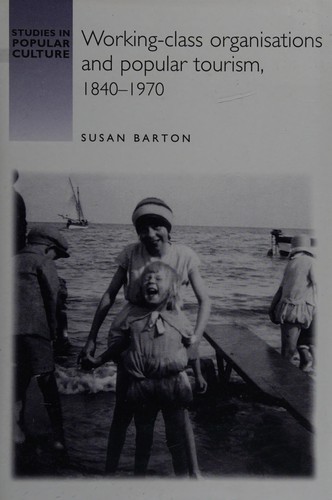
Working-Class Organisations and Popular Tourism, 1840-1970
0
0
As an Amazon Associate and affiliate partner, Menrva Books earns from qualifying purchases. Learn more
Author Description
This study charts the development of the working-class holiday over two centuries. Starting with the cult of St Monday, the problem of absenteeism of northern textile workers during Wakes Week, it moves through the development of the railway excursion, the growth of seaside resorts, the role of trade unions and friendly societies in providing holidays, and culminates with the Holidays Pay Act 1938.
Menrva's Summary
THE THESIS
THE THESIS
This study investigates the historical development and significance of popular tourism as shaped by working-class organizations in Britain from 1840 to 1970. It examines how collective action and leisure pursuits evolved from early traditions like the 'cult of St Monday' to more structured holiday practices, ultimately influencing national legislation. The book analyzes the social, economic, and cultural factors that underpinned these developments, highlighting the agency of working people in shaping their own recreational opportunities.
THE SCOPE MAP
- What You Will Find:
- The evolution of working-class holidays from the mid-19th century to the mid-20th century.
- The role of trade unions, friendly societies, and other working-class organizations in facilitating popular tourism.
- Analysis of specific historical phenomena such as the 'cult of St Monday' and 'Wakes Week'.
- The impact of industrialization and urbanization on leisure patterns.
- The legislative landscape, including the significance of the Holidays with Pay Act 1938.
- Case studies of specific destinations and types of working-class holidays.
THE AUTHORITY PERSPECTIVE
This book is recognized for its detailed examination of the historical trajectory of working-class leisure and tourism in Britain. It is noted for its focus on the agency of working-class organizations in shaping holiday practices and advocating for improved conditions. The study is considered a valuable contribution to social history, offering insights into the cultural and economic dimensions of leisure over a significant period. Its analysis provides a nuanced understanding of how collective action influenced the development of paid holidays and recreational opportunities for ordinary people.
Page Count:
237
Publication Date:
2005-01-01
ISBN-10:
0719065909
Non-Fiction
History
Social History
Community Tags
Similar Books