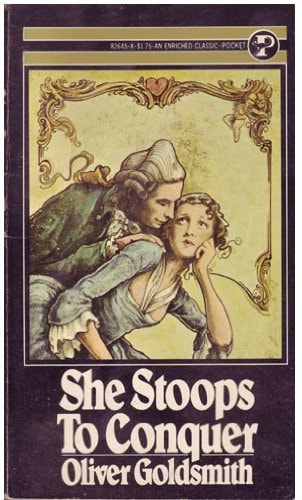
She Stoops to Conquer
0
0
As an Amazon Associate and affiliate partner, Menrva Books earns from qualifying purchases. Learn more
Author Description
The action of She Stoops to Conquer (1773) is largely confined to a night and a day in Squire Hardcastle's somewhat dilapidated country Young Marlow, on his way there to meet the bride his father has chosen for him, loses his way and arrives at the house assuming it is an inn. The prospect of meeting the genteel Miss Hardcastle terrifies the diffident youngster; but the serving-girl Kate - in fact, Miss Hardcastle, who chooses not to clarify the misunderstanding - immediately catches his fancy and cannot complain of a lack of ardour in her well-born suitor. After a series of trifling confusions and the inevitable eavesdropping-from-behind-a-screen, all is resolved so pleasingly that the comedy has been a favourite with amateur and professional companies and their audiences for over 230 years.
Menrva's Summary
THE PULSE
A case of mistaken identity at a country estate forces a bashful suitor to confront his own social anxieties when he confuses his future bride's home for a common inn. Young Marlow arrives at Squire Hardcastle's residence intending to court the daughter of his father's friend, yet his crippling shyness around women of his own class prevents him from recognizing his intended. When Miss Kate Hardcastle realizes the error, she adopts the persona of a serving-girl to bypass his social inhibitions. The narrative unfolds through a series of farcical encounters, relying on dramatic irony to propel the plot toward a resolution of social and romantic misunderstandings.
INSIDE THE PAGES
- Use of mistaken identity as a primary catalyst for conflict
- Satirical commentary on the social hierarchies of the 18th century
- Frequent employment of dramatic irony to engage the audience
- Character-driven humor stemming from the contrast between social classes
- Structured as a five-act comedy of manners
- Inclusion of witty dialogue and verbal sparring between protagonists
- Physical comedy elements involving eavesdropping and concealment
- Exploration of the tension between rural simplicity and urban sophistication
THE COLLECTIVE ECHO
Readers and critics frequently highlight the play's enduring appeal as a quintessential example of 18th-century comedy. Discussion often centers on the clever subversion of social expectations, particularly how Kate Hardcastle manipulates the situation to secure her own romantic future. The pacing is noted for its brisk, lighthearted progression that avoids overly heavy moralizing in favor of entertainment. Scholars often point to the balance between the farcical plot mechanics and the genuine character development of the shy Marlow. The work remains a staple in theatrical repertoires due to its accessible humor and sharp observations on human behavior.
Page Count:
104
Publication Date:
1968-06-01
Publisher:
Oxford University Press
ISBN-10:
019831907X
ISBN-13:
9780198319078
Drama
Satire
Play
classic
Comedy
Dramas & Plays
British & Irish
Community Tags
Other Editions(39)
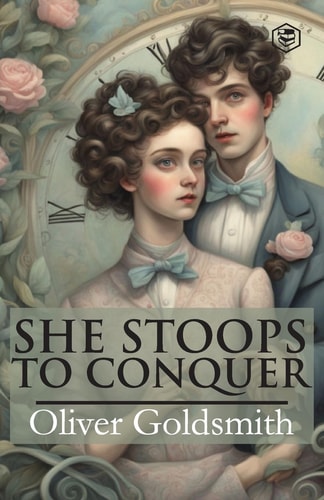
Sanage Publishing House Llp
2024
Default edition
BoD - Books on Demand
2024

Independently Published
2020
Creative Media Partners, LLC
2018
Creative Media Partners, LLC
2018

CreateSpace Independent Publishing Platform
2018

CreateSpace Independent Publishing Platform
2018

CreateSpace Independent Publishing Platform
2018

Independently Published
2017
CreateSpace Independent Publishing Platform
2016

CreateSpace Independent Publishing Platform
2016

CreateSpace Independent Publishing Platform
2016

CreateSpace Independent Publishing Platform
2016

Creative Media Partners, LLC
2015

CreateSpace Independent Publishing Platform
2015
CreateSpace Independent Publishing Platform
2015
CreateSpace Independent Publishing Platform
2015
CreateSpace Independent Publishing Platform
2013

Lulu.com
2012
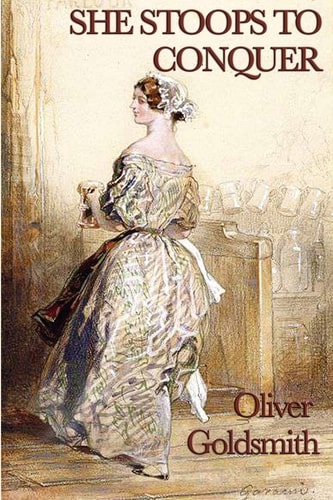
Wilder Publications
2012

ReadaClassic.com
2010

Bloomsbury Academic
2010
Book Jungle
2009

Dodo Press
2008

Wildside Press, LLC
2007
Wildside Press
2007

Digireads.com
2007
Back-in-Print Books, Limited
2001

Courier Corporation
1991

A & C Black
1989
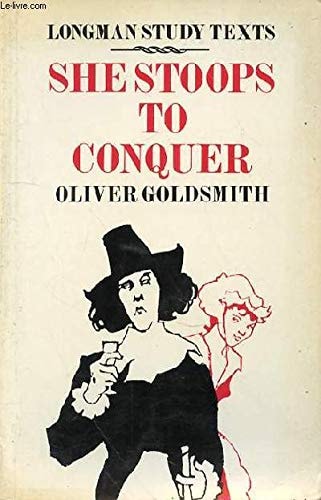
Longman
1985

E. Benn
1979
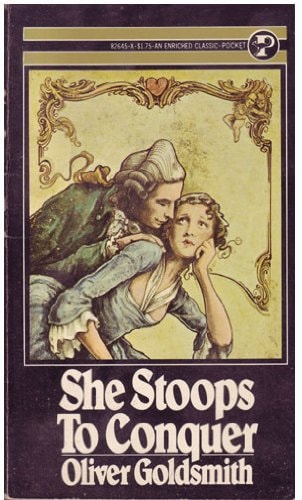
Washington Square Press, Pocket Books
1972
Oxford University Press
1968

Longman
1961
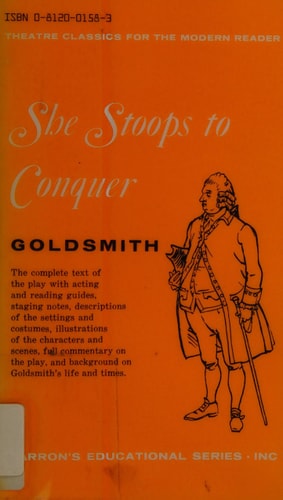
Barron's Educational Series
1958
J. M. Dent Sons L. T. D
1926

Heritage Theatre
1900

CreateSpace Independent Publishing Platform
1773
Similar Books


Reader Comments
Share Your Thoughts
No comments yet. Be the first to share your thoughts!