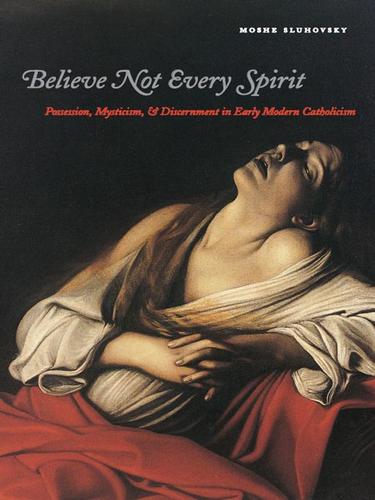
Believe Not Every Spirit
0
0
As an Amazon Associate and affiliate partner, Menrva Books earns from qualifying purchases. Learn more
Author Description
From 1400 through 1700, the number of reports of demonic possessions among European women was extraordinarily high. During the same period, a new type of mysticism—popular with women—emerged that greatly affected the risk of possession and, as a result, the practice of exorcism. Many feared that in moments of rapture, women, who had surrendered their souls to divine love, were not experiencing the work of angels, but rather the ravages of demons in disguise. So how then, asks Moshe Sluhovsky, were practitioners of exorcism to distinguish demonic from divine possessions?Drawing on unexplored accounts of mystical schools and spiritual techniques, testimonies of the possessed, and exorcism manuals, Believe Not Every Spirit examines how early modern Europeans dealt with this dilemma. The personal experiences of practitioners, Sluhovsky shows, trumped theological knowledge. Worried that this could lead to a rejection of Catholic rituals, the church reshaped the meaning and practices of exorcism, transforming this healing rite into a means of spiritual interrogation. In its efforts to distinguish between good and evil, the church developed important new explanatory frameworks for the relations between body and soul, interiority and exteriority, and the natural and supernatural.
Menrva's Summary
THE THESIS
This book investigates the complex relationship between female mysticism and demonic possession in early modern Europe. Moshe Sluhovsky examines the period between 1400 and 1700, when reports of demonic possessions among European women were exceptionally high. During this era, a new form of mysticism, popular with women, emerged and significantly influenced the risk of possession and the subsequent practice of exorcism. The central dilemma for practitioners was distinguishing between divine raptures and demonic deceptions, particularly when women surrendered their souls to divine love. Sluhovsky draws on extensive archival research to explore how this challenge was met.
THE SCOPE MAP
- What You Will Find:
- Analysis of the high incidence of demonic possession reports among European women from 1400-1700.
- Exploration of the rise of female mysticism and its impact on possession and exorcism practices.
- Examination of the methods used by exorcism practitioners to differentiate divine from demonic possession.
- Use of unexplored accounts from mystical schools, spiritual techniques, testimonies of the possessed, and exorcism manuals.
- Discussion of how personal experiences of practitioners often superseded theological knowledge.
- The Church's response: reshaping exorcism into a tool for spiritual interrogation to maintain ritualistic meaning.
- Development of new explanatory frameworks for the body-soul, interiority-exteriority, and natural-supernatural relations.
THE AUTHORITY PERSPECTIVE
Moshe Sluhovsky's "Believe Not Every Spirit" is recognized for its deep dive into the historical intersection of female spirituality and the phenomenon of demonic possession in early modern Europe. The book is noted for its reliance on previously unexamined archival sources, including mystical accounts and exorcism manuals, which allow for a nuanced understanding of the period's spiritual landscape. Scholars have highlighted Sluhovsky's argument that the personal experiences of exorcists often dictated their actions, leading the Church to adapt its practices and theological interpretations. The work is considered a significant contribution to the study of religious history, gender, and the history of medicine and psychiatry.
Page Count:
0
Publication Date:
2008-01-01
ISBN-10:
0226762955
ISBN-13:
9780226762951
Religion
Non-Fiction
History
Social History
Community Tags
Similar Books