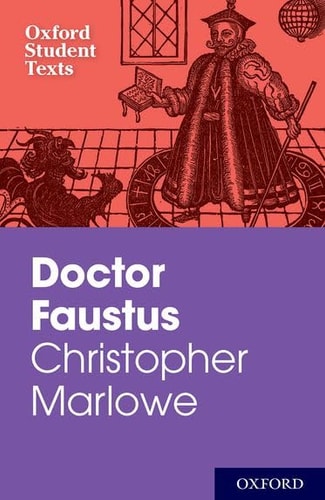
Doctor Faustus
0
0
As an Amazon Associate and affiliate partner, Menrva Books earns from qualifying purchases. Learn more
Author Description
One of a series designed to motivate and encourage students who may be working on certain writers for the first time. Each text includes notes to explain literary and historical allusions, tasks to help students explore themes and issues, and suggestions for further reading.
Menrva's Summary
THE PULSE
A scholar sells his soul to the devil in exchange for forbidden knowledge and limitless power, only to face the inevitable consequences of his pact. The protagonist, Doctor Faustus, seeks to transcend the boundaries of human intellect and morality, pitting his ambition against the spiritual constraints of his era. The narrative follows his descent from a respected academic to a man consumed by his own hubris, as he navigates the influence of Mephistopheles and the looming threat of eternal damnation. The play utilizes a dramatic framework that blends theological debate with dark comedy and tragic soliloquy.
INSIDE THE PAGES
- Exploration of the conflict between Renaissance humanism and medieval religious doctrine
- Use of the morality play tradition to structure the protagonist's internal struggle
- Inclusion of comic relief scenes that mirror the protagonist's descent into triviality
- Frequent use of soliloquies to reveal the character's shifting psychological state
- Examination of the nature of power and the limitations of human knowledge
- Symbolic representation of the Seven Deadly Sins
- Thematic focus on the concept of free will versus predestination
- Stylistic shift from elevated blank verse to prose during moments of moral degradation
THE COLLECTIVE ECHO
Readers and critics frequently highlight the play's enduring relevance as a study of human ambition and the psychological toll of moral compromise. Discussion often centers on the ambiguity of Faustus's motivations and whether his downfall is a result of external demonic manipulation or his own inherent flaws. The pacing is noted for its rapid transition from intellectual inquiry to frantic, hedonistic indulgence, which effectively mirrors the protagonist's loss of control. Scholars often point to the contrast between the play's high-minded philosophical inquiries and its more grotesque, slapstick sequences as a defining feature of Marlowe's dramatic style. The work remains a foundational text for understanding the transition from medieval to early modern perspectives on the individual.
Page Count:
192
Publication Date:
2008-04-17
Publisher:
OUP Oxford
ISBN-10:
0198325991
ISBN-13:
9780198325994
Drama
British & Irish
Classic Literature
Renaissance
Dramas & Plays
Plays
Tragedy
Community Tags
Other Editions(22)
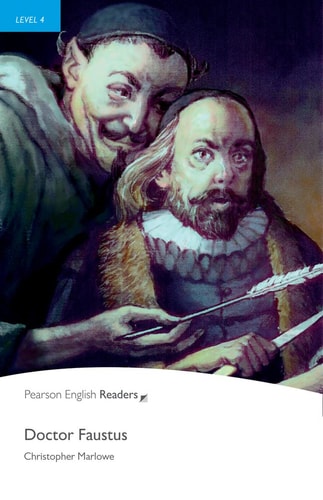
Pearson
2021
Default edition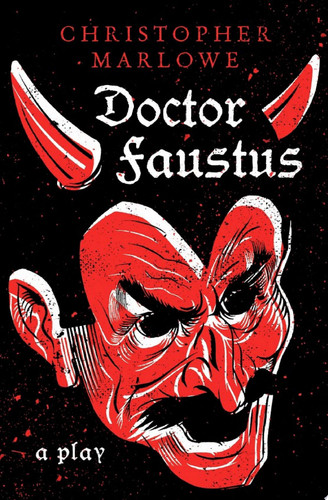
Open Road Integrated Media, Inc.
2020

Methuen Drama
2018
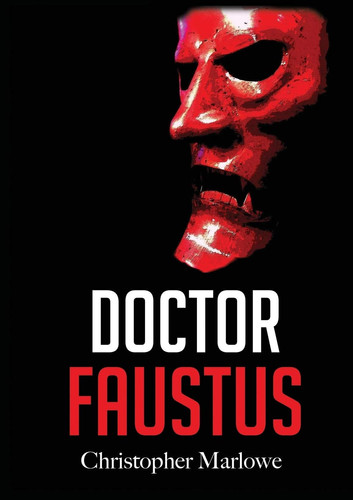
SC Active Business Development Srl
2017

CreateSpace Independent Publishing Platform
2017
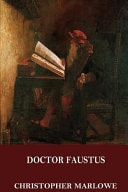
CreateSpace Independent Publishing Platform
2016
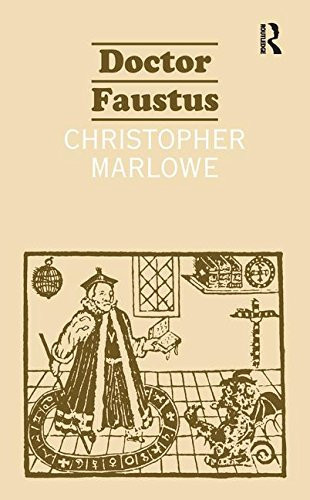
Taylor & Francis Group
2016

Bloomsbury UK
2016
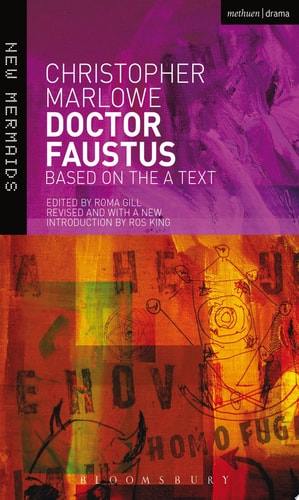
Bloomsbury Publishing
2014
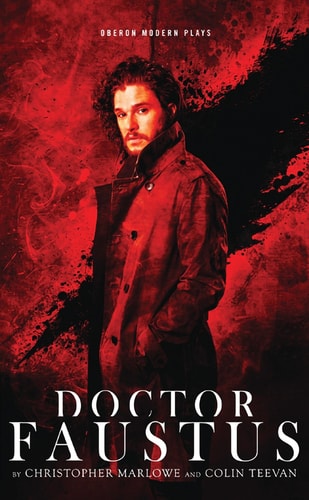
Bloomsbury Academic
2013

Pearson Education, Limited
2011

Perfection Learning Corporation
2010
Oxford University Press, USA
2009
Bloomsbury Academic
2008
OUP Oxford
2008

Pearson Education, Limited
2008

A&C Black
2008
Hackett Publishing
2005
Back-in-Print Books, Limited
2001
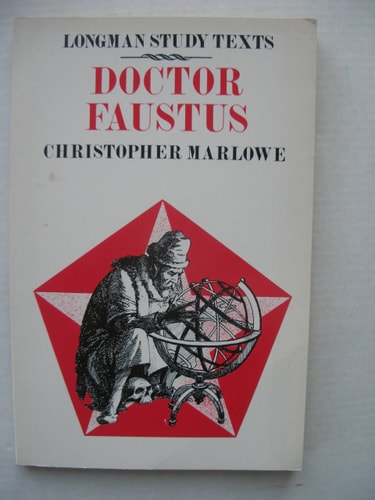
Longman
1984
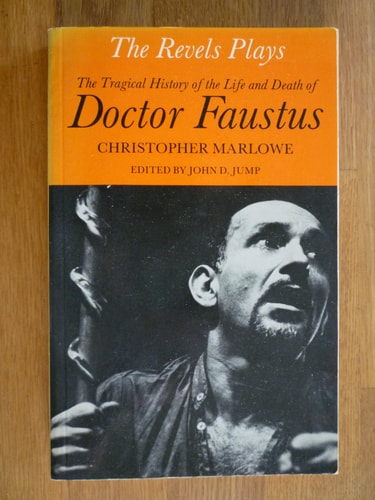
Manchester University Press ; Holmes & Meier
1982

Perfection Learning Corporation
1978
Similar Books
Reader Comments
Share Your Thoughts
No comments yet. Be the first to share your thoughts!