Paradise Lost
0
0
As an Amazon Associate and affiliate partner, Menrva Books earns from qualifying purchases. Learn more
Author Description
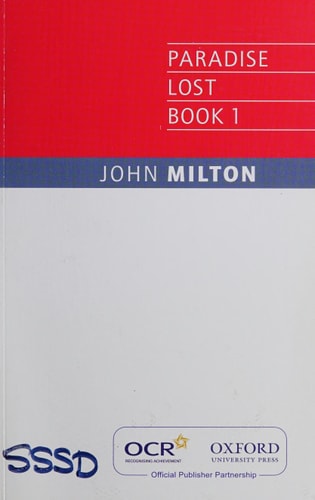
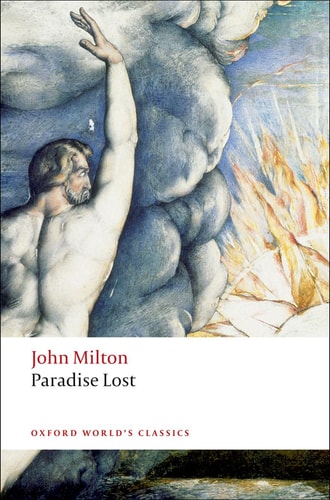
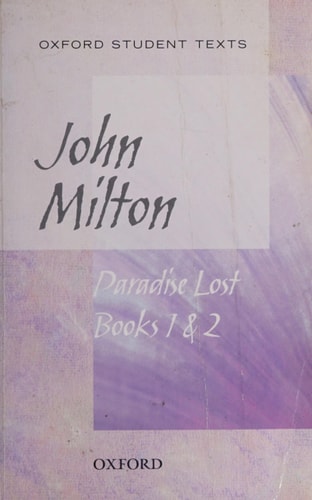
Paradise Lost is an epic poem in blank verse by the 17th-century English poet John Milton. It was originally published in 1667 in ten books, with a total of over ten thousand individual lines of verse. This edition is designed to provide a new, accessible approach to the work. The text includes general notes; discussion of themes, issues and context; and suggestions for further reading.
Menrva's Summary
THE PULSE
Following his defeat in the war in Heaven, Satan rallies his fallen angels to plot a new course of vengeance against the Creator. The narrative follows the perspective of the fallen archangel as he navigates the desolate landscape of Hell, seeking to establish a new kingdom and corrupt the newly created humanity. Milton utilizes a grand, elevated style of blank verse to explore the psychological motivations of his characters and the cosmic stakes of their rebellion. The text operates within a theological framework, examining the nature of free will, pride, and divine justice through the lens of classical epic tradition.
INSIDE THE PAGES
- Utilization of unrhymed iambic pentameter, known as blank verse
- Extensive use of epic similes to draw comparisons between the fallen angels and historical or mythological figures
- Exploration of the theological concept of theodicy, or justifying the ways of God to men
- Detailed descriptions of the architecture of Pandemonium, the capital of Hell
- Characterization of Satan as a complex, charismatic, and tragic anti-hero
- Incorporation of classical allusions to Greek and Roman mythology
- Examination of the hierarchy and political structure among the fallen host
- Focus on the psychological internal conflict of the protagonist regarding his loss of status
THE COLLECTIVE ECHO
Readers and critics frequently analyze the work for its linguistic complexity and its profound influence on the development of the English language. Discussion often centers on the moral ambiguity of Satan, with many debating whether Milton intended for the antagonist to appear as a sympathetic figure. Scholars highlight the effectiveness of the atmospheric world-building, particularly the vivid depiction of the infernal landscape. The text remains a primary subject of study for its synthesis of classical epic form and Christian theology, consistently generating discourse on the nature of rebellion and authority.
Page Count:
202
Publication Date:
2009-03-12
Publisher:
Oxford University Press
ISBN-10:
019832877X
ISBN-13:
9780198328773
Philosophy
classic
Epic Poetry
Religious
British literature