Paradise Lost
0
0
As an Amazon Associate and affiliate partner, Menrva Books earns from qualifying purchases. Learn more
Author Description
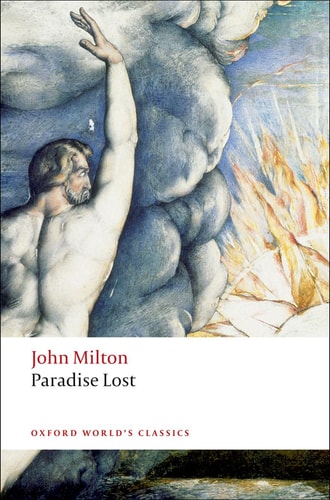
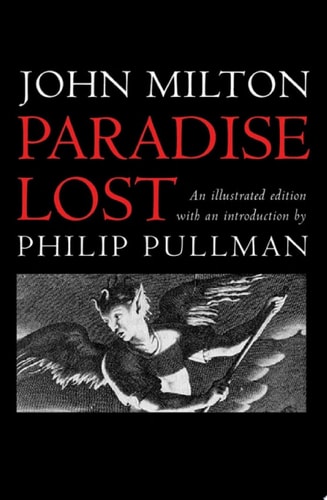
Paradise Lost is one of the greatest epic poems in the English language. It tells the story of the Fall of Man, a tale of immense drama and excitement, of rebellion and treachery, of innocence pitted against corruption, in which God and Satan fight a bitter battle for control of mankind's destiny. The struggle ranges across three worlds - heaven, hell, and earth - as Satan and his band of rebel angels plot their revenge against God. At the centre of the conflict are Adam and Eve, motivated by all too human temptations, but whose ultimate downfall is unyielding love. Milton's influence has been felt by many writers since, none more so in recent times than the novelist Philip Pullman. His acclaimed trilogy His Dark Materials takes it title from a line in the poem, and the worlds he created for Lyra and Will have entranced readers across generations. His introduction to the poem is a tribute that is both personal and full of insight; his enthusiasm for Milton's language, his skill, and his supreme gifts as a storyteller is infectious and instructive. He encourages readers above all to experience the poem for themselves, and surrender to its enchantment.
Menrva's Summary
THE PULSE
The epic narrative centers on the rebellion of Satan against God and the subsequent temptation of Adam and Eve in the Garden of Eden. The poem follows the fall of the rebel angels from Heaven and their strategic efforts to corrupt humanity as a means of vengeance against the Creator. Milton utilizes a grand, elevated style to depict the cosmic struggle between divine authority and infernal defiance. The narrative framework employs blank verse to explore the psychological motivations of its central figures, balancing theological discourse with dramatic characterization.
INSIDE THE PAGES
- Use of blank verse throughout the twelve books
- Extensive use of epic similes and classical allusions
- Detailed descriptions of the geography of Hell, Heaven, and Earth
- Exploration of free will versus predestination
- Characterization of Satan as a complex, charismatic antagonist
- Portrayal of the domestic and spiritual life of Adam and Eve
- Philosophical debates regarding divine justice and human responsibility
- Incorporation of biblical narrative with Renaissance humanism
THE COLLECTIVE ECHO
Readers and critics frequently analyze the poem for its linguistic complexity and its profound influence on the development of the English language. Discussion often centers on the sympathetic portrayal of Satan and whether the text functions as a critique or an affirmation of divine order. Many readers highlight the technical mastery of Milton's verse, noting that the rhythm and structure demand careful attention to appreciate the full scope of the narrative. Scholars continue to debate the theological implications of the fall, often contrasting the human elements of the protagonists with the cosmic scale of the conflict. The work remains a foundational text that generates ongoing discourse regarding morality, authority, and the nature of human temptation.
Page Count:
148
Publication Date:
2005-01-01
Publisher:
OUP Oxford
ISBN-10:
0191604852
ISBN-13:
9780191604850
English literature
Epic Poetry
English
English & College Success
Religious
classic
Mythology