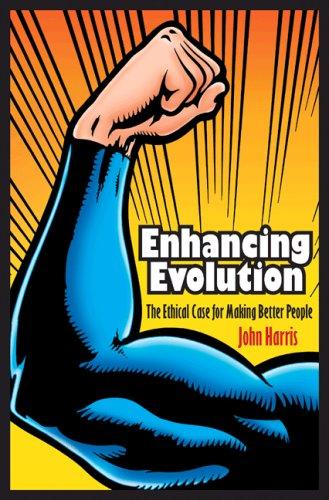
Enhancing Evolution
0
0
As an Amazon Associate and affiliate partner, Menrva Books earns from qualifying purchases. Learn more
Author Description
Decisive biotechnological interventions in the lottery of human life--to enhance our bodies and brains and perhaps irreversibly change our genetic makeup--have been widely rejected as unethical and undesirable, and have often met with extreme hostility. But in Enhancing Evolution, leading bioethicist John B. Harris dismantles objections to genetic engineering, stem-cell research, designer babies, and cloning to make a forthright, sweeping, and rigorous ethical case for using biotechnology to improve human life. Human enhancement, Harris argues, is a good thing--good morally, good for individuals, good as social policy, and good for a genetic heritage that needs serious improvement. Enhancing Evolution defends biotechnological interventions that could allow us to live longer, healthier, and even happier lives by, for example, providing us with immunity from cancer and HIV/AIDS. But the book advocates far more than therapies designed to free us from sickness and disability. Harris champions the possibility of influencing the very course of evolution to give us increased mental and physical powers--from reasoning, concentration, and memory to strength, stamina, and reaction speed. Indeed, he supports enhancing ourselves in almost any way we desire. And it's not only morally defensible to enhance ourselves, Harris says. In some cases, it's morally obligatory. Whether one looks upon biotechnology with hope, fear, or a little of both, Enhancing Evolution makes a case for it that no one can ignore. ---Dust Cover.
Menrva's Summary
THE THESIS
The ethical implications of biotechnological interventions to improve the human condition are rigorously examined. John B. Harris, a leading bioethicist, presents a comprehensive argument in favor of genetic engineering, stem-cell research, and cloning, challenging widespread objections and hostility towards these advancements. He posits that human enhancement is not only morally permissible but also beneficial for individuals and society, arguing that it can lead to longer, healthier, and happier lives by eradicating diseases and even increasing cognitive and physical capabilities. The book advocates for influencing human evolution to bestow enhanced mental and physical powers, asserting that in some instances, such enhancements are a moral imperative.
THE SCOPE MAP
- What You Will Find:
- A detailed ethical defense of genetic engineering, stem-cell research, designer babies, and cloning.
- Arguments for using biotechnology to achieve longer, healthier, and happier lives.
- Exploration of interventions to provide immunity from diseases like cancer and HIV/AIDS.
- Advocacy for influencing human evolution to enhance mental and physical powers, including reasoning, concentration, memory, strength, stamina, and reaction speed.
- A philosophical framework supporting self-enhancement in virtually any desired way.
- The assertion that in certain cases, human enhancement is a moral obligation.
THE AUTHORITY PERSPECTIVE
In 'Enhancing Evolution,' John B. Harris constructs a robust ethical case for human biotechnological enhancement, challenging prevailing negative sentiments. The book systematically dismantles objections to genetic engineering, stem-cell research, and cloning, arguing that these technologies offer significant benefits for individual well-being and societal progress. Harris contends that enhancing human life, whether to combat disease or to augment capabilities, is not only morally defensible but potentially obligatory. The work is framed as a rigorous defense of using biotechnology to improve the human genetic heritage and quality of life.
Page Count:
260
Publication Date:
2007-01-01
ISBN-10:
0691128448
ISBN-13:
9780691128443
Philosophy
Non-Fiction
Bioethics
Biotechnology
Genetics
Community Tags
Similar Books