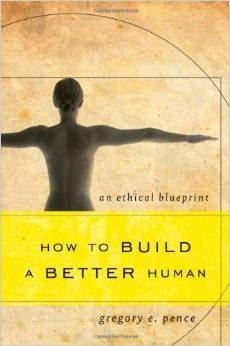
How To Build a Better Human
0
0
As an Amazon Associate and affiliate partner, Menrva Books earns from qualifying purchases. Learn more
Author Description
Medicine has recently discovered spectacular tools for human enhancement. Yet to date, it has failed to use them well, in part because of ethical objections. Meanwhile, covert attempts flourish to enhance with steroids, mind-enhancing drugs, and cosmetic surgery -- all largely unstudied scientifically. The little success to date has been sporadic and financed privately. In How to Build a Better Human, prominent bioethicist Gregory E. Pence argues that people, if we are careful and ethical, can use genetics, biotechnology, and medicine to improve ourselves, and that we should publicly study what people are doing covertly. Pence believes that we need to transcend the two common frame stories of bioethics: bioconservative alarmism and uncritical enthusiasm, and that bioethics should become part of the solution -- not the problem -- in making better humans. - Publisher.
Menrva's Summary
THE THESIS
The book argues that humanity possesses powerful new tools for self-improvement through genetics, biotechnology, and medicine, but their ethical application is hindered by societal objections and a lack of scientific study. Prominent bioethicist Gregory E. Pence contends that we should openly investigate and ethically employ these enhancement technologies, rather than allowing covert and scientifically unexamined practices to proliferate. He critiques the prevailing bioethical discourse, urging a move beyond alarmism and uncritical enthusiasm to actively contribute to the development of 'better humans'. The central thesis is that proactive, ethical engagement with enhancement technologies is not only possible but necessary for responsible human progress.
THE SCOPE MAP
- An examination of recent advancements in genetics, biotechnology, and medicine for human enhancement.
- Analysis of the ethical objections and societal frameworks that impede the use of these technologies.
- Discussion of covert enhancement practices such as steroid use, cosmetic surgery, and psychotropic drugs.
- The argument for public, scientific study of human enhancement methods.
- A call to transcend bioconservative alarmism and uncritical enthusiasm in bioethics.
- The proposal for bioethics to become an active participant in shaping human improvement.
THE AUTHORITY PERSPECTIVE
The book is presented as a significant contribution to the bioethics discourse on human enhancement, advocating for a balanced and proactive approach. Pence's work challenges common ethical narratives, suggesting that a more open and scientifically grounded exploration of enhancement technologies is warranted. The publisher's description highlights its potential to inform both public debate and scientific inquiry into the future of human capabilities. It aims to position bioethics as a constructive force in guiding these powerful new tools.
Page Count:
212
Publication Date:
2015-01-01
ISBN-10:
1442217634
ISBN-13:
9781442217638
Science
Non-Fiction
Business
Genetics
Biotechnology
Medicine
Bioethics