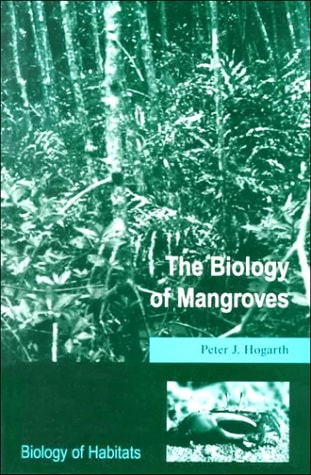
The Biology of Mangroves
0
0
As an Amazon Associate and affiliate partner, Menrva Books earns from qualifying purchases. Learn more
Author Description
Mangrove trees, uniquely others, can flourish on shores where they are regularly flooded by seawater. Their rich, diverse, and biologically unique environment is of great biological interest, yet poorly understood. Mangroves are also of vital economic importance throughout the tropics, since they protect shores against erosion and are the basis of many local fisheries and other human activities. This book gives an up-to-date, readable overview of the biology of mangrove systems. The text is clear and lively, well-illustrated, and supplemented with ample references for further reading. It provides an excellent introduction of anyone intending to work in research or management in mangrove systems, and will be ideal for students taking courses in marine sciences or environmental biology. No other book covers all aspects of the biology of mangroves.
Menrva's Summary
THE THESIS
This text investigates the biological mechanisms and ecological significance of mangrove ecosystems, which thrive in intertidal zones despite extreme environmental stressors. Peter J. Hogarth, a specialist in marine biology, synthesizes current research to explain how these unique trees adapt to saline, waterlogged conditions. The book provides a comprehensive framework for understanding the complex interactions between mangrove flora, fauna, and the surrounding coastal environment. It serves as a bridge between academic research and practical management applications for these vital tropical habitats.
THE SCOPE MAP
What You Will Find
- Physiological adaptations of mangrove species to high salinity and anaerobic soil conditions
- Ecological interactions within the mangrove food web and biodiversity patterns
- Economic and environmental roles of mangroves in coastal protection and erosion control
- Methodologies for the research and sustainable management of mangrove systems
THE AUTHORITY PERSPECTIVE
Experts and academics recognize this work as a foundational text for students and professionals in marine sciences. Readers frequently note the clarity of the prose and the utility of the extensive references provided for further study.
Page Count:
240
Publication Date:
2000-03-02
Publisher:
Oxford University Press
ISBN-10:
0198502222
ISBN-13:
9780198502227
Science
Botany
Ecology
Biology
Mangrove
Marine Biology
Community Tags
Similar Books