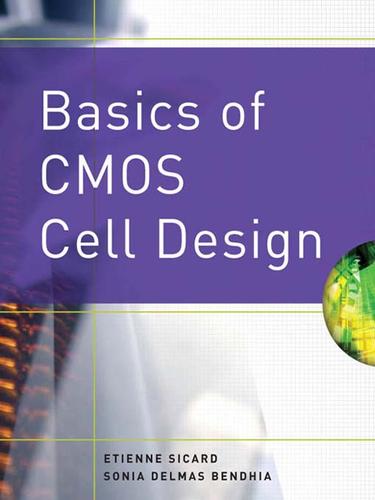
Basics of CMOS Cell Design
0
0
As an Amazon Associate and affiliate partner, Menrva Books earns from qualifying purchases. Learn more
Author Description
Design and Simulate Any Type of CMOS Circuit!Electronic circuit designers and electronic engineering students can turn to Basics of CMOS Cell Design for a practice-based introduction to the design and simulation of every major type of CMOS (complementary metal oxide semiconductor) integrated circuit.You will find step-by-step explanations of everything they need for designing and simulating CMOS integrated circuits in deep-submicron technology, including MOS devices...inverters...interconnects...basic gates...arithmetics...sequential cell design...and analog basic cells. The book also presents design rules, Microwind program operation and commands, design logic editor operation and commands, and quick-reference sheets. Filled with 100 skills-building illustrations, Basics of CMOS Cell Design features:Expert guidance on MOS device modelingComplete details on micron and deep-submicron technologiesClear, concise information on basic logic gatesFull coverage of analog cellsA wealth of circuit simulation toolsInside This Landmark CMOS Circuit Design Guide—- MOS Devices and Technology - MOS Modeling - The Inverter - Interconnects - Basic Gates - Arithmetics - Sequential Cell Design - Analog Cells - Appendices: Design Rules; Microwind Program Operation and Commands; Design Logic Editor Operation and Commands; Quick- Reference Sheets
Menrva's Summary
THE THESIS
This book provides a practice-based introduction to the design and simulation of CMOS integrated circuits. It guides electronic circuit designers and students through the process of creating various CMOS circuits using deep-submicron technology. The text covers essential components from MOS devices and inverters to basic gates, arithmetic circuits, sequential cells, and analog cells, offering practical instruction for simulation and design.
THE SCOPE MAP
- What You Will Find:
- Detailed explanations of MOS device modeling and deep-submicron technologies.
- Step-by-step instructions for designing and simulating inverters, basic logic gates, and arithmetic circuits.
- Coverage of sequential cell design and analog basic cells.
- Guidance on design rules and the operation of simulation tools like Microwind and Design Logic Editor.
- Inclusion of 100 illustrations to aid skill development.
- Appendices with quick-reference sheets for practical application.
THE AUTHORITY PERSPECTIVE
The book is presented as a comprehensive guide for practitioners and students entering the field of CMOS circuit design. Its focus on practical application and simulation tools, particularly the Microwind program, suggests it aims to equip readers with hands-on skills. The detailed breakdown of circuit types, from basic gates to analog cells, indicates a thorough approach to the subject matter. The inclusion of design rules and quick-reference sheets further supports its utility as a reference tool for engineers and students working with deep-submicron technologies.
Page Count:
0
Publication Date:
2007-01-01
ISBN-10:
0071509062
ISBN-13:
9780071509060
Science & Technology
Non-Fiction
Integrated Circuits
Engineering
Computer Science
Electronics
Community Tags
Similar Books